










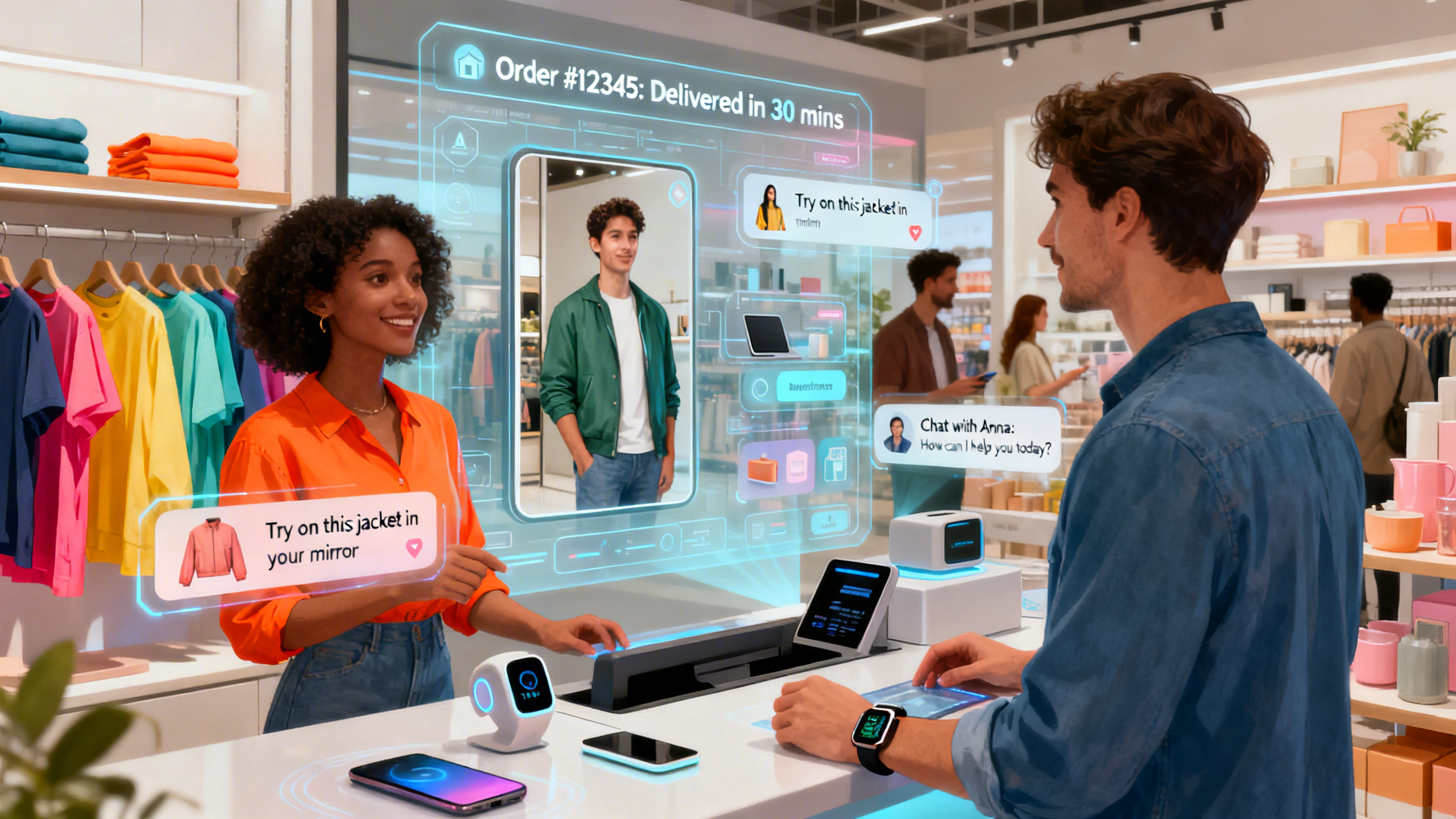



Smarter Carts, Seamless Journeys: AI’s Quiet Transformation of E-Commerce

" "
E-commerce was once a matter of browsing static catalogs and waiting days for delivery updates. Now, a shopper might be greeted by a personalized homepage, nudged by a chatbot offering instant assistance, or find that a favorite pair of sneakers is back in stock—almost as if the store read their mind. What’s rewriting this experience isn’t just better websites, but the systematic integration of artificial intelligence and machine learning at almost every digital touchpoint.
This isn’t hype—it’s visible in the subtle, frictionless ways shopping platforms adapt to every user’s quirks and needs. Recent news from industry leaders and tech innovators hints at even bolder changes underway, promising to blur the lines between online and in-person retail. Let’s explore how these technologies are quietly reshaping what it means to shop online, and where the next wave of disruption is coming from.
A Personalized Storefront for Every Shopper
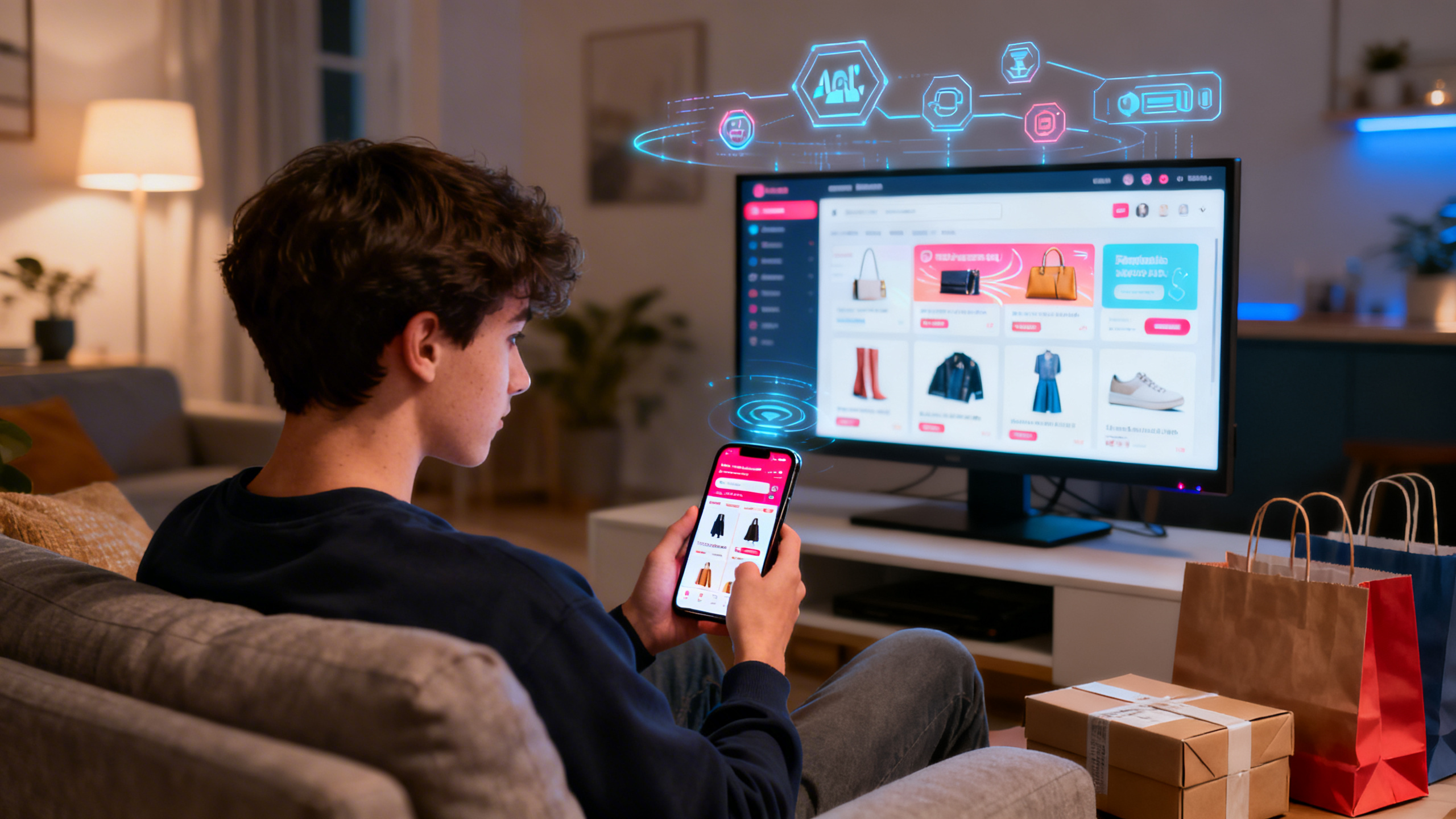
Walk into any major online store today, and the home page rarely looks the same for any two people. Major retailers have adopted advanced recommendation engines that draw on browsing history, purchase patterns, and even social media behavior to curate unique product selections for each user.
According to recent updates from Shopify’s product team, new AI-driven features now let merchants automatically generate storefront layouts, banners, and deals tailored to real-time shopper intent. One clothing retailer shared how conversion rates spiked after deploying these dynamic layouts: instead of generic sales banners, visitors saw offers relevant to their past searches and sizes, dramatically increasing engagement.
Personalization isn’t just about recommendations, though. Platforms like Amazon and Alibaba have rolled out AI models that predict what a user is most likely to need next, populating carts or wishlists with uncanny accuracy. The shift is so precise that some shoppers report feeling as though the site “knows them better than their friends do”—raising both delight and new questions about data privacy.
Real-Time Support Without Human Wait Times
Gone are the days of waiting hours for an email reply. Retailers now deploy virtual assistants trained on massive datasets to answer questions, resolve complaints, and even process returns within seconds. According to Zendesk’s latest customer experience report, AI-powered chatbots are handling over half of all first-contact inquiries for many major online brands, freeing up human staff for more complex issues.
One startup, specializing in home electronics, recently shared that their AI assistant resolved 80% of troubleshooting queries without escalation, leading to a measurable uptick in positive reviews. For shoppers, this means less time spent searching for answers, and more time discovering products or enjoying their purchases.
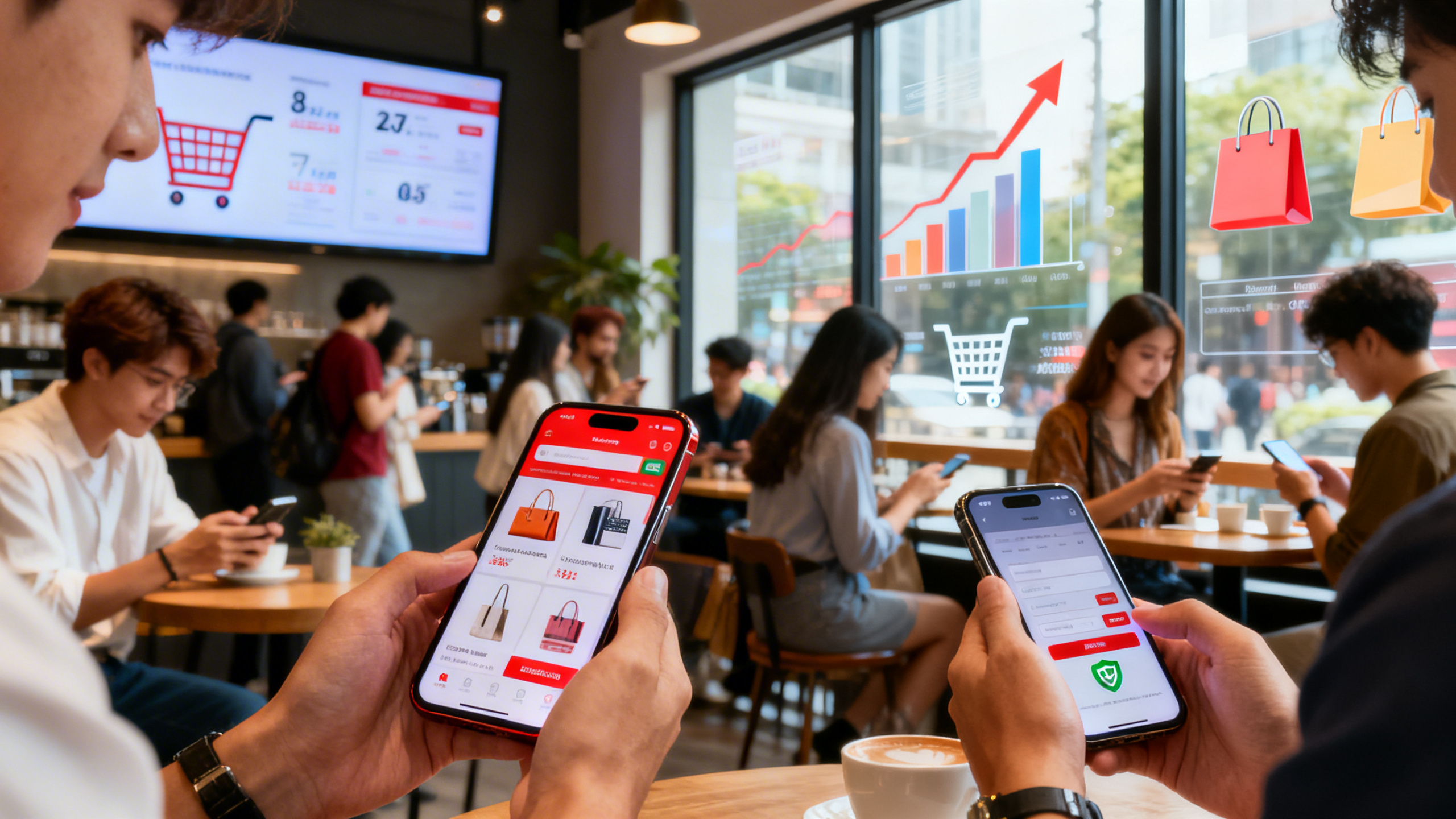
Even the checkout process has benefited. AI-driven fraud detection models now scan transactions in real-time, flagging suspicious activity and reducing false declines that can frustrate legitimate customers. Merchants report that these systems have significantly cut down on lost sales due to overzealous security filters, while giving genuine shoppers a smoother path to purchase.
Smarter Search: Finding What You Want Before You Know It
One overlooked frustration of online shopping is the struggle to find exactly what you need, particularly when you don’t have the right keywords. Search bars have become more forgiving, thanks to machine learning models that interpret natural language, typos, or even vague descriptions.
Recently, Google’s Shopping division announced enhancements to their AI-powered visual search tools. Now, shoppers can upload a photo or screenshot, and the engine will hunt down similar products across thousands of stores—no product name necessary. Sneakerheads, for instance, have found rare editions by uploading images snapped from social media, while home decorators can match a lamp seen in a magazine to an affordable online alternative in seconds.
These improved search experiences aren’t just about convenience; they’re making e-commerce more accessible. Shoppers with limited product knowledge, language barriers, or disabilities now find it easier to locate items, broadening the reach of online retail far beyond traditional segments.
Inventory That Predicts the Next Trend
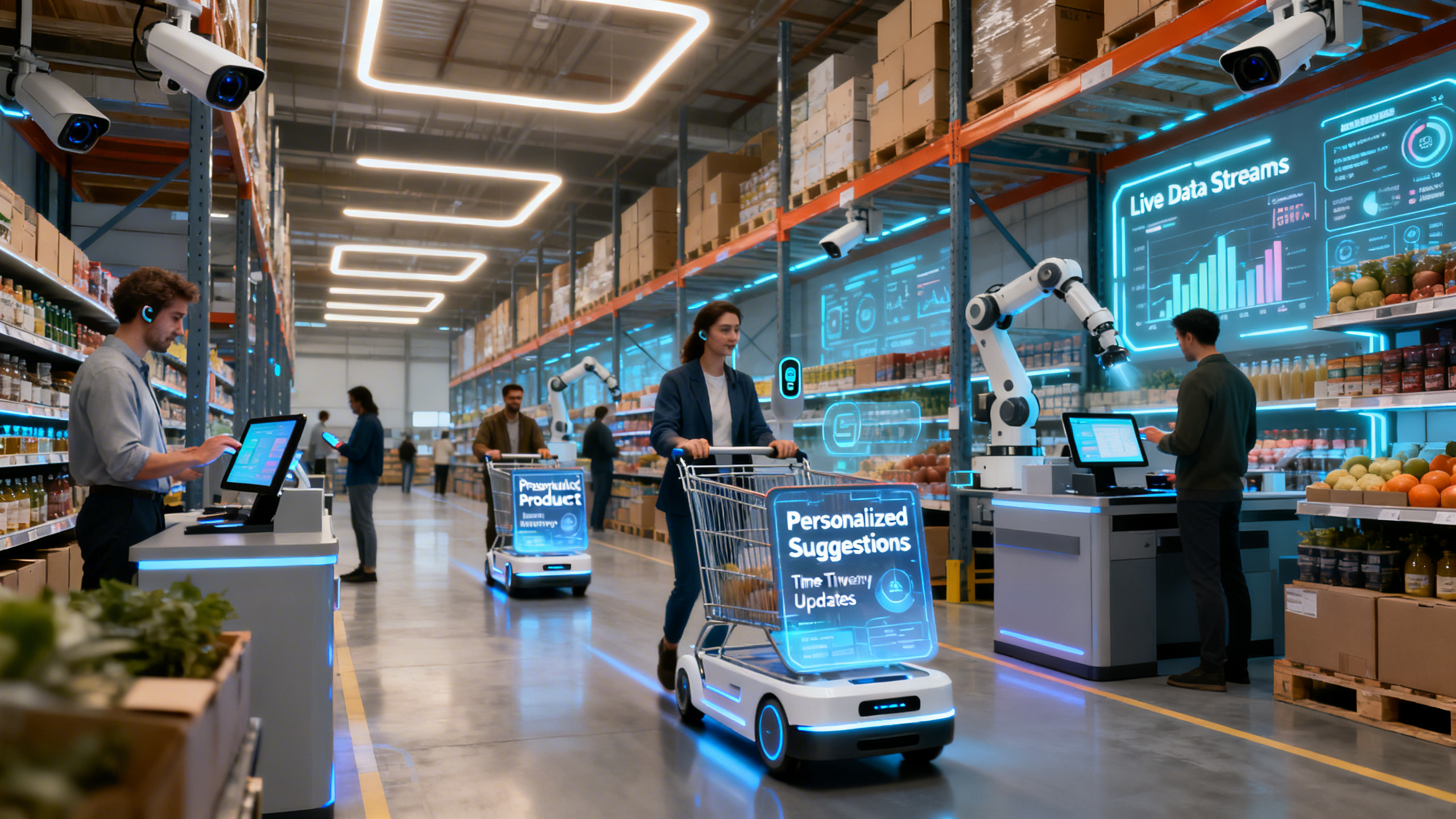
The backbone of e-commerce—warehousing and logistics—has quietly become a proving ground for AI. Retail giants and startups alike are turning to predictive algorithms to optimize stock levels, reducing both overstock and frustrating out-of-stock moments.
Walmart recently revealed that its AI-driven forecasting tools helped anticipate surges in demand for home fitness gear when a popular influencer posted a workout video. Instead of scrambling to restock after the fact, the platform was able to reroute inventory to regional warehouses in advance, keeping shelves full and customers happy.
These systems don’t just react to sales data. They draw on social trends, weather forecasts, and even news events to anticipate what’s likely to be hot tomorrow. For smaller online businesses, access to cloud-based AI inventory tools means they, too, can punch above their weight—responding to trends with agility that previously only the largest players could manage.
Shipping Gets Predictive and Precise
For shoppers, checkout isn’t the finish line; it’s just the start of anticipation. Here, too, AI is making a quiet but dramatic difference. Major logistics providers have integrated machine learning into their route optimization, cutting delivery windows and improving reliability.
Shopify recently shared that its new AI-driven fulfillment network predicts which storage location is best for each product, shaving days off delivery times for many orders. Shoppers in remote areas are noticing faster, more accurate shipping estimates, reducing the anxiety of “will it arrive on time?”
At the same time, machine learning models analyze millions of orders to forecast potential delays, rerouting packages or proactively notifying customers. One family in a rural town discovered their new kitchen gadget would be delayed due to a storm, but received a timely update and an alternate delivery option—resulting in a positive experience rather than frustration.
The Rise of Voice and Conversational Commerce
As smart speakers and voice assistants proliferate, new ways to shop are emerging. Platforms like Alexa and Google Assistant now support conversational commerce, allowing shoppers to place orders, check on deliveries, or get personalized recommendations without ever touching a screen.
A busy parent recently described how they restocked household essentials while making breakfast, simply by asking their smart speaker to reorder last week’s purchases. For those with limited mobility, or when multitasking is a must, voice commerce is rapidly becoming an indispensable part of the e-commerce landscape.
Retailers are investing in making these systems more intuitive, with AI learning a user’s preferences, allergies, or even favorite brands over time to suggest the right products. The next wave of updates promises even more natural conversations, with AI understanding context, emotions, and cross-category requests.
Overcoming Trust Gaps in the AI Era
With every leap in personalization come valid concerns about data privacy and the “creepiness factor.” High-profile platforms have responded by making their AI systems more transparent, letting users control what data is collected or how recommendations are generated.
According to a Forrester survey, shoppers are more likely to trust retailers who let them adjust or opt out of certain personalization features. In practical terms, this has led to the adoption of privacy dashboards, clear explanations of how recommendations work, and the ability to “reset” a shopping profile at any time.
For families sharing devices, this means fewer awkward recommendations based on someone else’s browsing—say, a child’s interest in toys influencing a parent’s clothing suggestions. As AI gets smarter, so too do the controls, allowing for tailored experiences without sacrificing autonomy.
New Frontiers: AI-Driven Creativity and Immersive Shopping
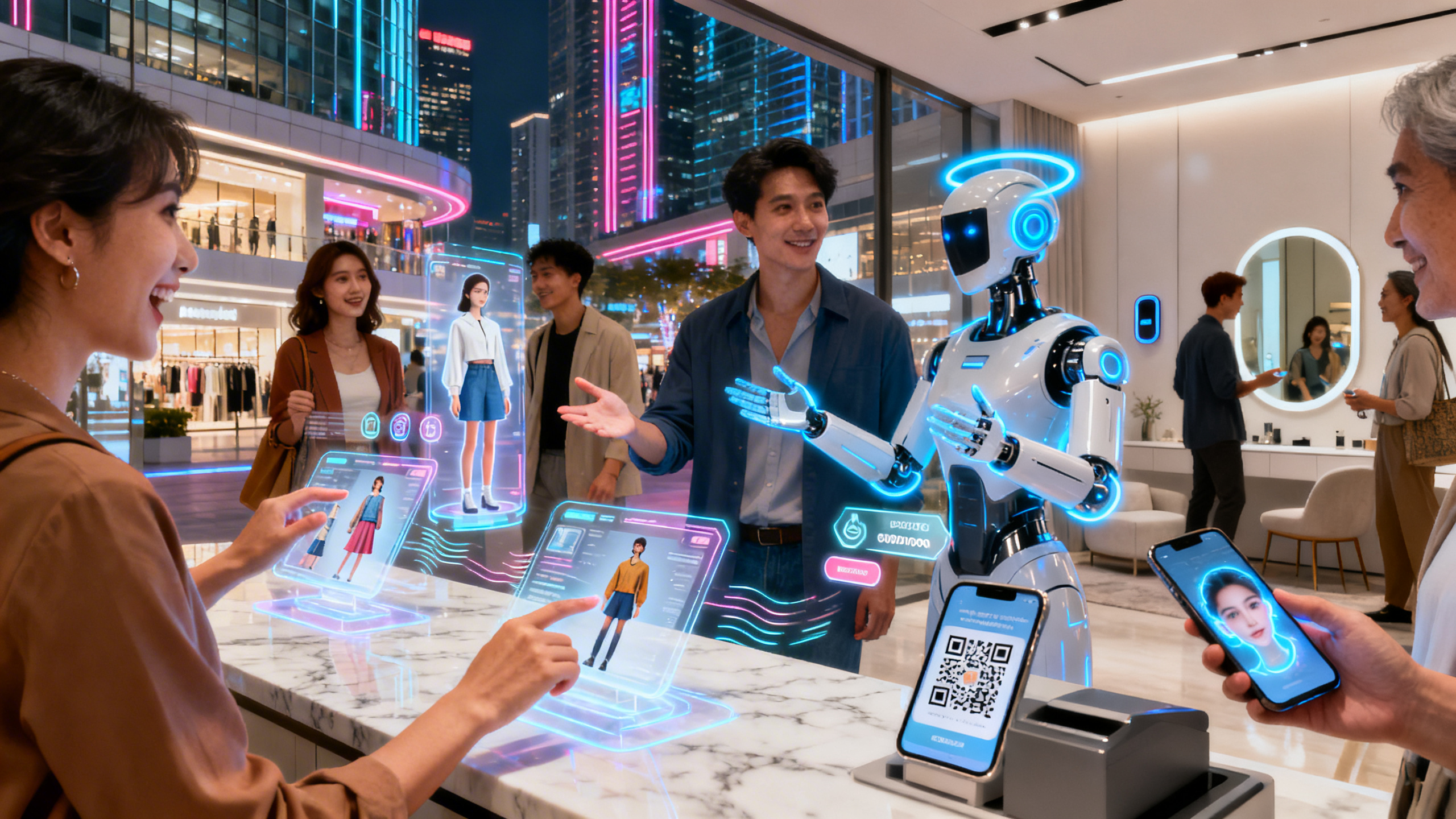
Not all the action is behind the scenes. Some of the most exciting changes are happening at the intersection of AI and creative expression. Virtual try-on technology, powered by machine learning, lets shoppers see how glasses, makeup, or even clothing will look on their own faces and bodies—no physical fitting room required.
One makeup brand’s recent app update, built on deep learning, now matches a user’s skin tone and facial features to suggest flattering shades and styles in real time. Shoppers have responded with enthusiasm, sharing photos and reviews, and driving word-of-mouth growth that far outpaces traditional ads.
Virtual stores and augmented reality experiences are also gaining momentum. Shoppers can walk through digital showrooms, place furniture in their living rooms via smartphone cameras, or even attend live product launches in immersive online spaces. These innovations aren’t just fun—they’re practical tools for reducing returns and boosting shopper confidence.
Challenges and Opportunities on the Horizon
AI’s rapid spread through e-commerce isn’t without hurdles. Small businesses often struggle with the cost and complexity of deploying cutting-edge machine learning tools. In response, software providers like BigCommerce and Wix have rolled out plug-and-play AI features, making advanced personalization and inventory management accessible to independent sellers.
Another emerging trend is the emphasis on ethical AI. Retailers are increasingly under pressure to ensure their algorithms don’t reinforce bias or exclude certain groups. Industry groups are developing guidelines and auditing tools to test for fairness, with some brands making these results public to build trust.
As online shopping platforms continue to evolve, the interplay between human creativity and machine intelligence will only deepen. Shoppers will expect not just convenience, but experiences that surprise, delight, and respect their individuality.
Practical Shifts for Today’s Shoppers and Sellers
For consumers, these advances translate into a few tangible benefits:
- Faster, more personalized shopping journeys that anticipate needs and streamline discovery.
- Greater transparency and choice over how data is used, with more control over personalization.
- New channels for engagement, from voice assistants to immersive digital stores.
For merchants, the message is clear:
- Investing in AI isn’t optional—even modest tools can improve conversion, retention, and supply chain efficiency.
- Responsiveness to trends is now a baseline expectation, not a luxury.
- Building trust is as important as building technology—shoppers will reward brands that balance innovation with respect for privacy and inclusivity.
As the line between digital and physical shopping disappears, those who blend human insight with smart algorithms stand to set the pace. The era of online shopping as a passive experience is ending—replaced by journeys that feel as unique and dynamic as each shopper themselves. The next time your cart seems to know exactly what you want, remember: behind the curtain, a quiet revolution is underway.