















Reinventing Shopping: How E-Commerce is Shaping Tomorrow’s Habits

" "
Online shopping isn’t just changing how we fill our digital carts—it’s rewriting the entire script of commerce, community, and connection. As e-commerce evolves, it’s not just adopting new technologies; it’s blending them into everyday life in ways that are both thrilling and, for some, a little unsettling. Consumers, sellers, and entire industries find themselves navigating a landscape of rapid experimentation, virtual experiences, and shifting trust.
What’s really happening behind the storefronts and IT dashboards? Recent developments are revealing a set of emerging trends that don’t just promise more convenience—they’re setting the stage for a deeply personalized, interactive, and sometimes unpredictable future of shopping. Here’s a look at how the latest shifts are redefining what it means to shop online, and what that means for everyone involved.
Immersive Commerce Steps Off the Screen
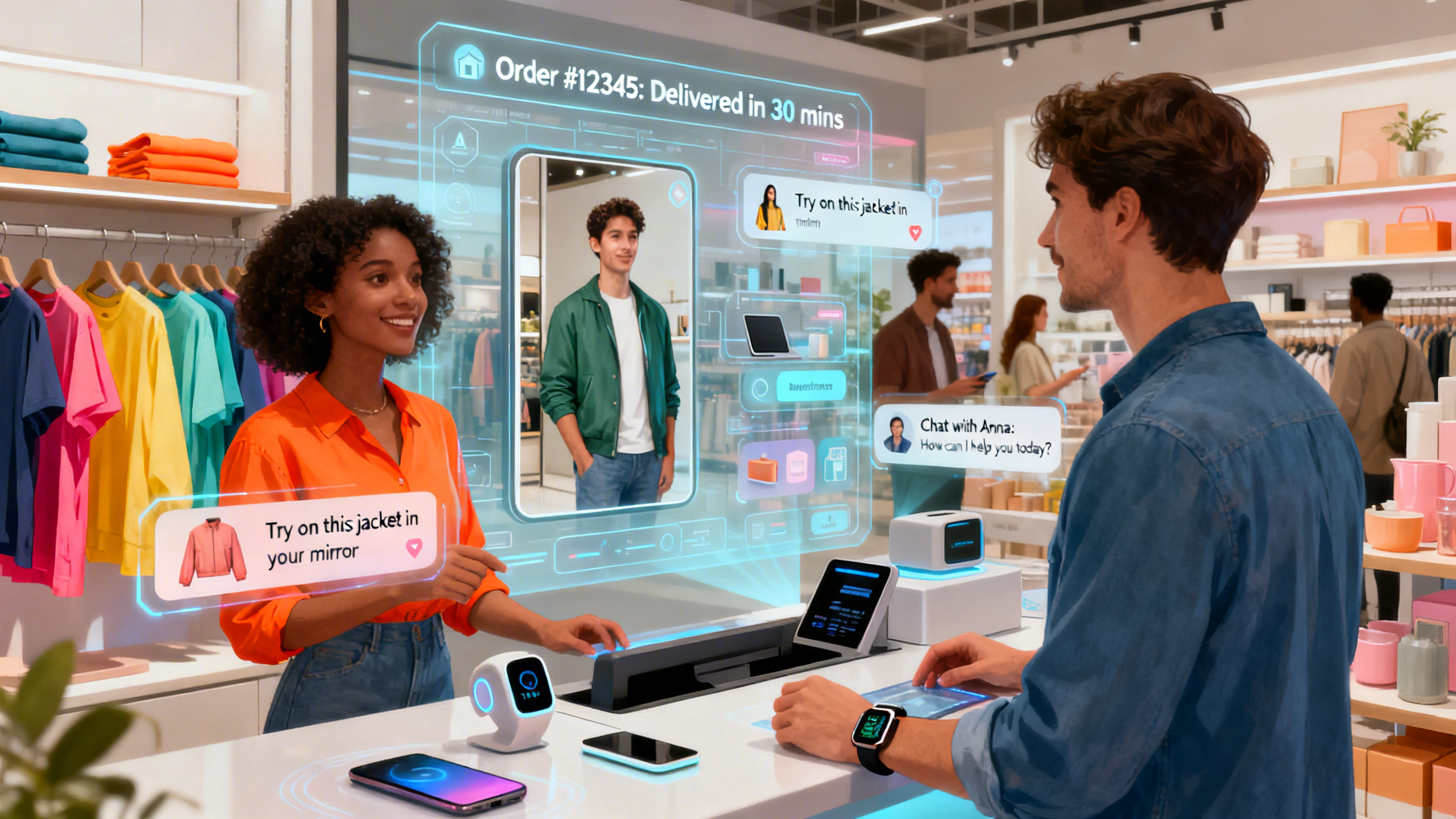
E-commerce is no longer just about scrolling and clicking. Over the past two weeks, major retailers have quietly rolled out augmented reality (AR) shopping tools, letting customers see how furniture looks in their own living rooms or how a pair of sneakers fits with their favorite jeans—all before making a purchase. According to industry insiders cited by TechCrunch, these AR features are seeing not only a spike in user engagement but also, notably, a drop in product returns. Shoppers are more confident when they’ve “tried on” a product virtually, and that’s shifting the economics of online retail in subtle but important ways.
A customer in a mid-sized town recently shared her experience: after an AR preview of a modular sofa, she confidently ordered a bold color she’d never have picked in-store. The piece fit perfectly, and the fear of a mismatched buy simply faded away. Stories like hers are pushing retailers to invest further in this technology, seeing it as both a marketing tool and a way to build long-term trust.
Social Shopping Redefines Influence
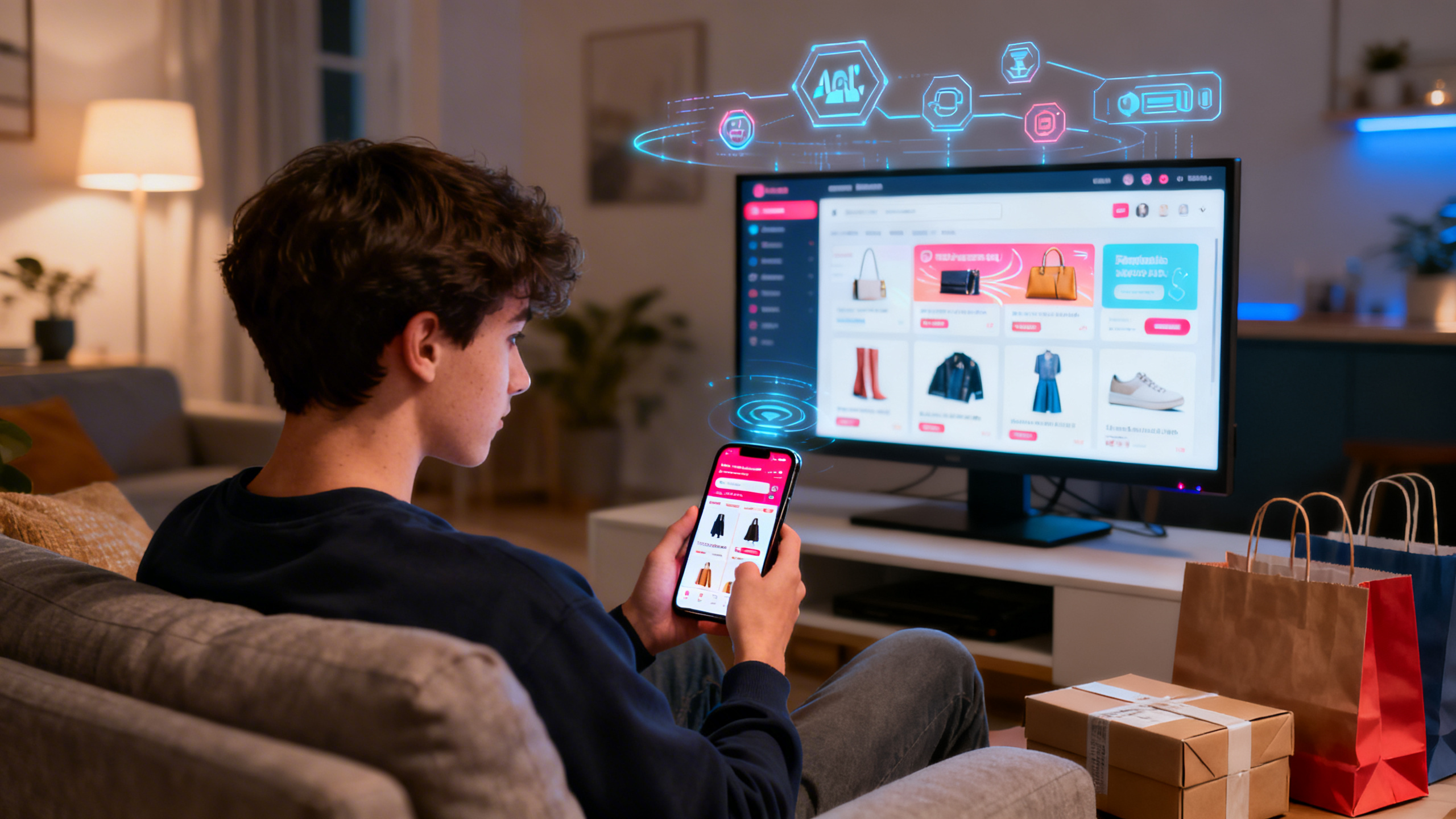
Scrolling through a favorite creator’s feed and pressing “buy now” is fast becoming the norm, but the mechanics behind these spontaneous purchases are getting more sophisticated. Major social platforms have integrated seamless in-app checkout systems over the last several days, allowing shoppers to move from curiosity to purchase in just a few taps—without ever leaving their feed.
What’s new isn’t just the technology, but the way communities are being woven into the sales process itself. Shoppers are now forming micro-communities around product launches and flash sales, sharing tips, unboxings, and honest reviews in real time. Influencer marketing is mutating too; recent updates from popular brands show that collaborations with niche creators—think vintage clothing experts or eco-friendly makeup artists—drive higher engagement and conversion rates than broad, celebrity-driven campaigns.
One small business owner found her handmade jewelry line selling out overnight after a TikTok creator spotlighted her pieces during a live stream. The flood of orders was overwhelming, but the direct feedback from buyers offered invaluable insight, fueling new product ideas and deeper customer loyalty.
Sustainability Moves from Slogan to Standard
Consumers are scrutinizing the impact of their shopping habits more than ever. In response, several top e-commerce giants have quietly adjusted their logistics and packaging practices over the past fortnight, aiming to cut waste and reduce transportation emissions. According to a recent report highlighted by GreenBiz, these moves range from offering consolidated shipping options to piloting reusable packaging programs in select markets.
These changes aren’t just PR gestures. With social media amplifying every misstep, brands are learning that authenticity is non-negotiable. One outdoor apparel startup shared its journey of switching to compostable mailers after a surge in customer requests. Feedback was immediate; not only did customers appreciate the effort, but they also began sharing their own ideas for further improvements. This conversation has fostered a sense of partnership between buyer and seller—a far cry from the faceless transactions of e-commerce’s early days.
Artificial Intelligence Gets Personal
Artificial intelligence is no longer lurking behind the scenes; it’s stepping directly into the shopping experience. Over the last week, several leading online marketplaces introduced AI-powered shopping assistants that guide users through complex choices, from comparing tech specs to suggesting outfits based on past purchases. The difference? These assistants don’t just regurgitate product details; they “learn” from customer interactions, refining recommendations over time and occasionally surprising users with spot-on suggestions.
The practical impact is clear: a shopper searching for noise-cancelling headphones found herself drawn into a conversation with a digital assistant that asked about her commute, music preferences, and even her preferred color. The final recommendation felt more like a friend’s advice than a generic product pitch, and she left a glowing review—not just for the headphones, but for the helpfulness of the AI itself.
For businesses, this means a new level of customer insight. Tracking these interactions offers a treasure trove of data on evolving tastes and unmet needs, allowing for more agile product launches and targeted promotions.
Quick Commerce Redefines Convenience
The definition of “fast” in e-commerce is changing by the day. New players in the quick commerce (q-commerce) space have started delivering essentials and impulse buys in as little as 15 minutes in urban centers, using hyperlocal fulfillment centers and sophisticated route optimization software. According to logistics analysts referenced in Supply Chain Dive, these services are expanding beyond groceries to include electronics, beauty products, and even pet supplies.
Not everyone is thrilled—some city residents have voiced concerns about increased traffic and noise. But for busy parents, night-shift workers, and last-minute planners, the appeal is undeniable. One young professional shared how a late-night craving for a specific snack was satisfied minutes after she placed her order, a convenience that’s quietly setting new expectations for all online retailers.
Trust and Security Under the Microscope
As e-commerce platforms grow more complex, so do the risks. Recent coverage in The Verge describes how several major platforms have rolled out enhanced verification systems for both buyers and sellers, aiming to crack down on fraud and counterfeit products. These systems use a blend of biometric checks and transaction monitoring, offering an added layer of reassurance.
One retiree recounted nearly falling for a too-good-to-be-true deal, only to have the platform flag the seller and issue a warning before any money changed hands. Experiences like these are turning trust and transparency into selling points, with shoppers gravitating toward platforms that make security not just a feature, but a core part of the experience.
The Human Side of Automation
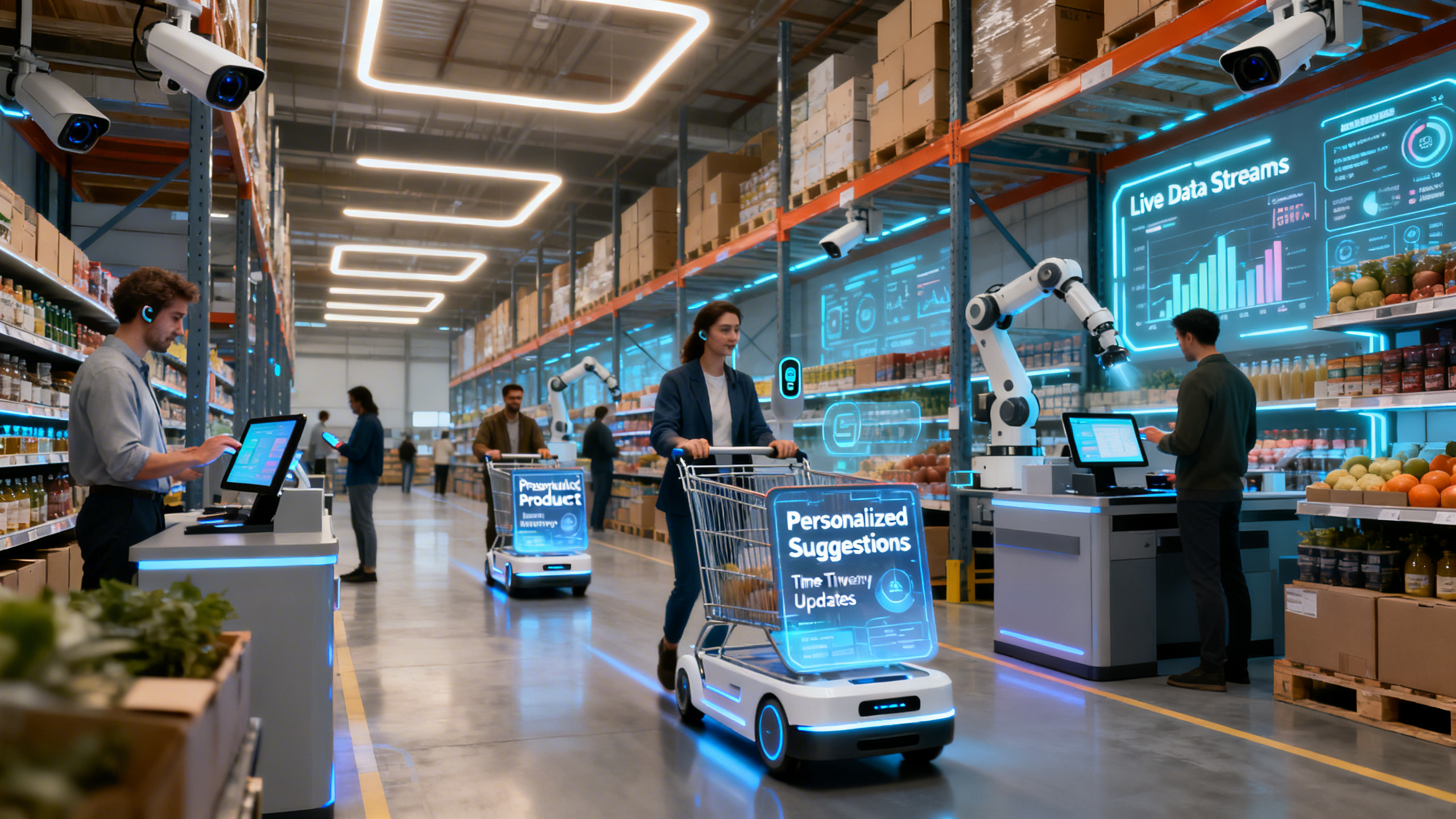
Automation is everywhere—robotic warehouses, automated checkout, personalized product feeds. But the real story is how these systems are being humanized to create warmth in what might otherwise be a cold, transactional environment. Several retailers have begun integrating video messages from real staff into order confirmations and support chats, offering a glimpse behind the curtain and reminding customers there are people behind the pixels.
A recent graduate starting her first online business found that a simple thank-you video recorded on her phone led to dozens of heartfelt responses from customers. They felt seen, not just sold to, and many returned for repeat purchases.
New Payment Frontiers
Frictionless payments are becoming the norm, but innovation is pushing boundaries even further. Over the past several days, e-commerce sites have begun accepting digital wallets, buy-now-pay-later plans, and even select cryptocurrencies as part of their checkout process. According to payment industry reports cited by PYMNTS, these options aren’t just attracting tech-savvy shoppers but are widening access for consumers who’ve historically felt excluded from traditional credit systems.
A single dad shared how a flexible payment plan allowed him to buy a laptop for his daughter’s classes without straining his budget. For him, and many others, these new payment options aren’t just about convenience—they’re about possibility.
Community-Driven Commerce Gains Momentum
The lines between shopping and socializing are blurring. Over the past week, several platforms have rolled out community features, such as group buying discounts and forums for sharing product hacks. These initiatives go beyond transactional relationships, fostering a sense of belonging around shared interests.
In one suburban neighborhood, parents used a group-buying platform to collectively order school supplies, splitting costs and sharing delivery. The camaraderie and cost savings turned a mundane task into a community event, sparking plans for future collaborations.
What It All Means for Shoppers and Sellers
The pace of change in e-commerce is dizzying, but it’s also empowering. For consumers, the result is more choice, more personalization, and, increasingly, more agency in shaping the shopping experience itself. For businesses, the message is clear: success favors those who listen, adapt, and treat technology not as a shortcut, but as a bridge to genuine connection.
Actionable insights for the months ahead:
- Embrace the blend of tech and humanity: Retailers who find ways to personalize, humanize, and even delight their customers will stand out in a crowded field.
- Prioritize trust and transparency: As fraud prevention and security become top concerns, clear communication and robust safeguards will win loyalty.
- Stay nimble in logistics and payments: Offering flexible delivery options and payment plans meets consumers where they are, both geographically and financially.
- Foster genuine community: Shopping is increasingly social—platforms that create space for shared experiences and feedback will build lasting bonds.
E-commerce is no longer just a marketplace. It’s a stage where technology, creativity, and community intersect every time someone adds an item to their cart. As new tools and trends continue to emerge, the most successful players will be those who see beyond the transaction, shaping a future where shopping feels as personal and meaningful as any face-to-face exchange.