














Beyond the Algorithm: How AI Is Personalizing Every Click in E-commerce

" "
Shoppers Meet Their Digital Mirror
Imagine logging onto your favorite online store and feeling as though every product, suggestion, and deal was crafted just for you. No more endless scrolling through irrelevant options. Instead, every shelf seems to reflect your tastes, needs, and even your mood. This isn’t a futuristic fantasy—it’s the new standard emerging in e-commerce, powered by artificial intelligence.
Today’s digital storefronts are moving far beyond recommendation engines that simply recall what you bought last month. AI is transforming the very core of how we shop, blending deep learning, natural language processing, and computer vision to create experiences that feel less transactional and more conversational. According to McKinsey, e-commerce brands deploying these advanced AI solutions are seeing not just higher conversions, but also repeat business driven by genuine customer delight.
The Personal Touch at Scale
For years, personalization in online shopping meant getting ads for items you vaguely browsed. That era is fading fast. AI now interprets browsing patterns, purchase history, seasonal preferences, and even social media cues to build a multi-dimensional profile of each shopper.
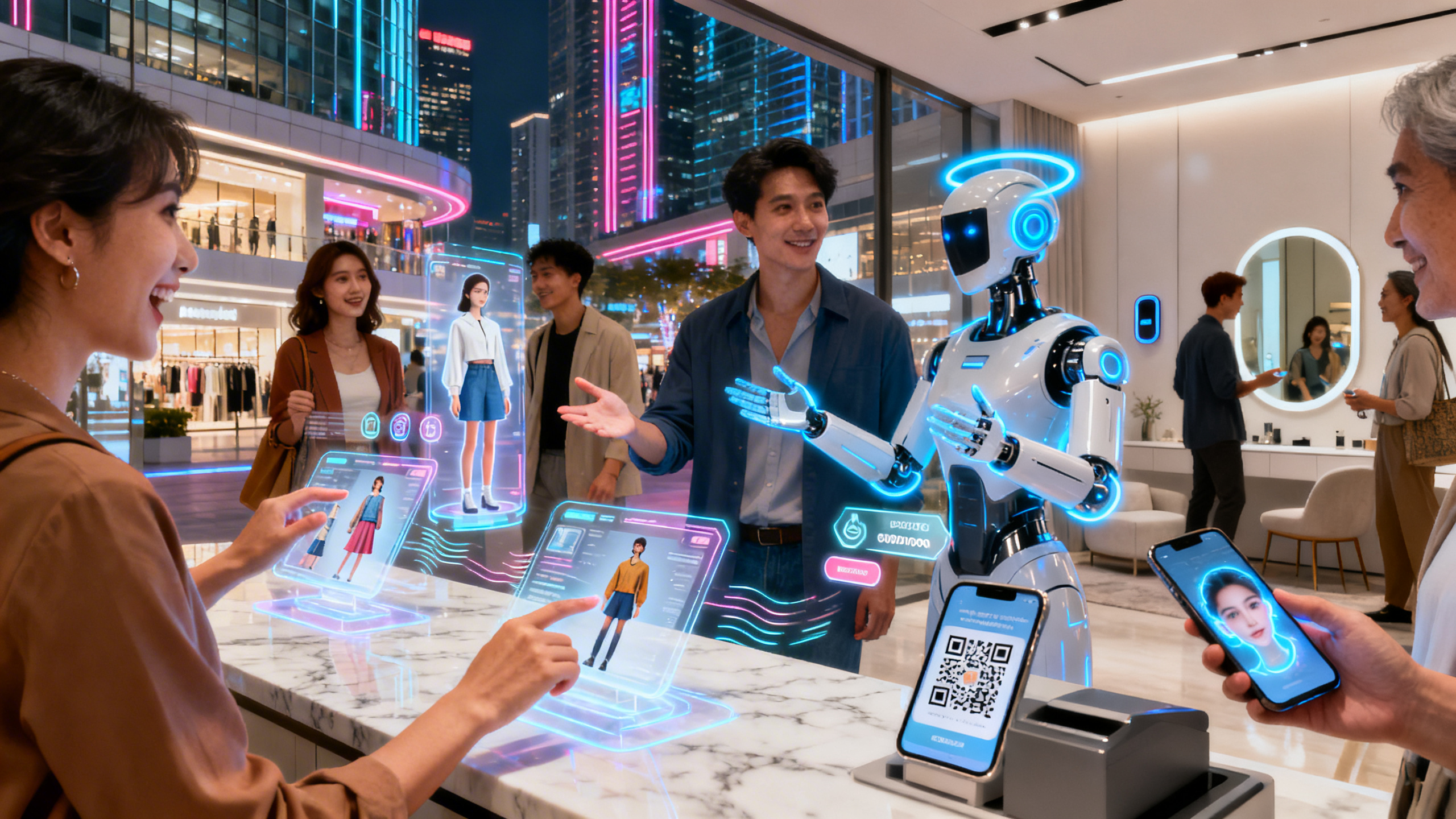
Major retailers are using AI-driven tools to update thousands of product recommendations with each new user interaction. One leading fashion platform, for instance, has introduced a virtual stylist powered by generative AI. Users describe what they’re seeking in natural language, and the AI responds with tailored outfit choices, color palettes, and even accessory suggestions—learning from each response to further refine its recommendations.
This approach extends beyond clothing. Home goods stores now deploy AI to help customers visualize furniture in their own space. By leveraging computer vision and augmented reality, shoppers can use their phone camera to “place” a sofa or lamp in their living room, seeing how it fits and matches with existing décor. The result is not just convenience, but confidence—a crucial factor in reducing cart abandonment.
Smarter Search and Seamless Discovery
If you’ve ever struggled to find the right keyword to describe what you want, you are not alone. AI is rapidly closing the gap between the language customers use and the way products are catalogued. Natural language search engines are now able to decipher queries like, “comfy shoes for standing all day at work,” and surface highly relevant options.
Computer vision is also revolutionizing product discovery. Some e-commerce platforms now let customers upload photos—of a friend’s bag, a celebrity’s sunglasses, or even a pattern from a magazine. The AI scans its inventory and delivers visually similar items, making inspiration instantly shoppable.
This kind of intuitive search isn’t just a novelty; it’s becoming essential as online inventories balloon. Retailers are finding that when customers can move from idea to product with fewer clicks, purchase rates climb and satisfaction improves.
Predictive Inventory and Smarter Supply Chains
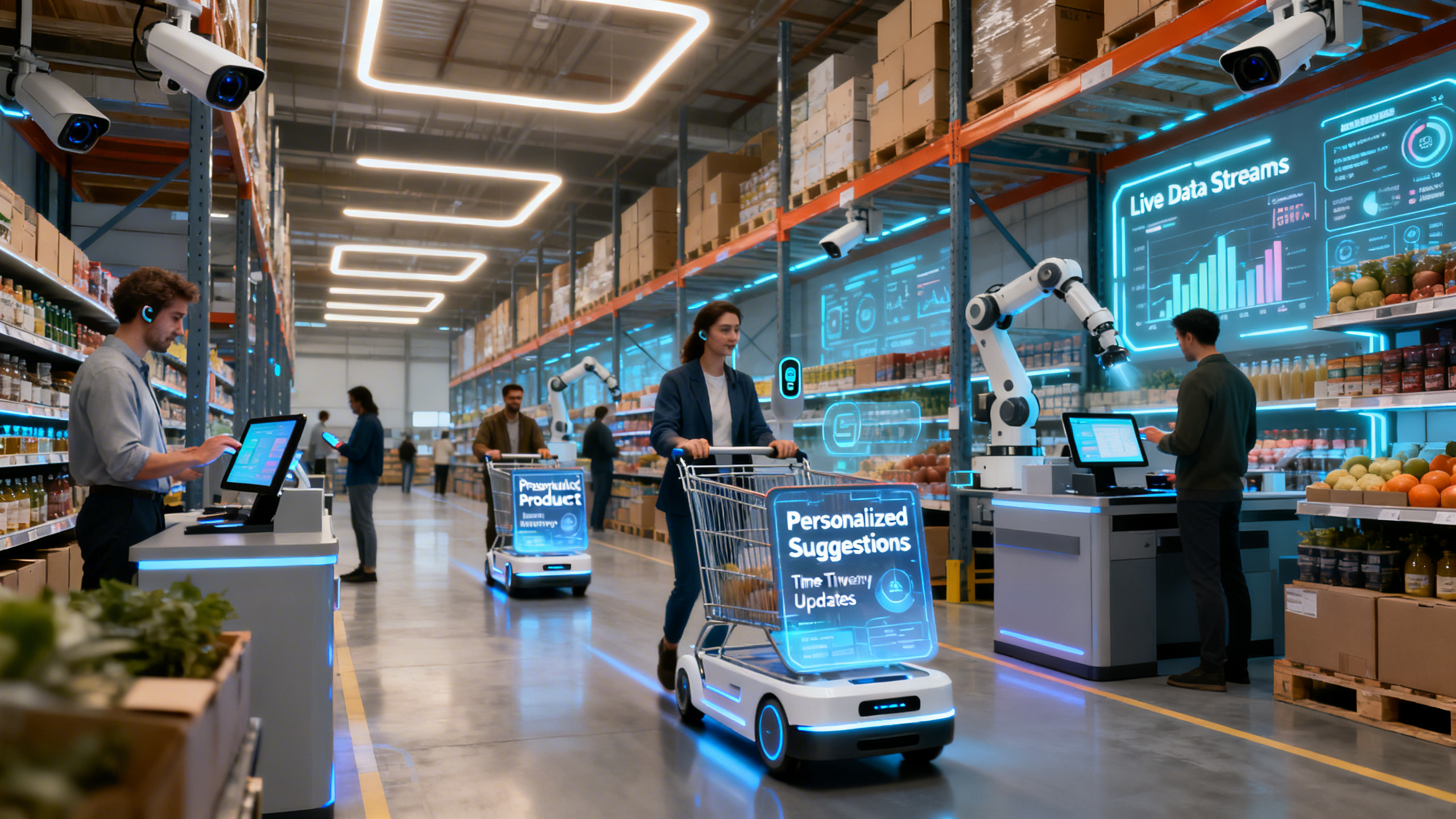
While shoppers interact with the visible side of AI, much of the magic happens behind the scenes. E-commerce depends on predicting what people will want, when they’ll want it, and how fast it needs to reach their doorstep. AI is now at the center of these decisions, analyzing mountains of data from across the supply chain.
Retailers are using AI models to spot demand spikes before they happen—whether it’s a viral TikTok trend or a sudden change in weather that drives coat sales. This agility means stores are less likely to run out of hot products or get stuck with unsold inventory. One major electronics retailer credits its AI-driven forecasting for slashing out-of-stock incidents, leading to happier customers and better margins.
Shipping logistics have also seen a transformation. AI optimizes delivery routes, clusters orders for efficiency, and even predicts possible delays due to weather or traffic. This orchestration enables faster, more reliable delivery—now a key competitive edge.
Fraud Detection That Feels Invisible
Trust is the backbone of e-commerce. As online shopping grows, so do attempts at fraud, from fake reviews to payment scams. Traditional rule-based systems often leave loopholes or frustrate genuine buyers with unnecessary hurdles.
AI is quietly rewriting the rules. Algorithms now flag suspicious behavior in real time, analyzing hundreds of variables that go beyond simple blacklists. For example, if a user’s usual location suddenly shifts across continents, or if their buying pattern dramatically changes, AI intervenes before any damage is done.
At the same time, brand reputation is protected by AI that sniffs out fake or manipulated reviews, helping shoppers make decisions based on authentic feedback. The best part? Much of this happens without shoppers even noticing, preserving a seamless checkout experience.
Building Loyalty Through Conversation
Chatbots and virtual assistants are no longer clunky, one-size-fits-all scripts. Thanks to advancements in conversational AI, many e-commerce brands now offer digital helpers that genuinely understand customer intent.
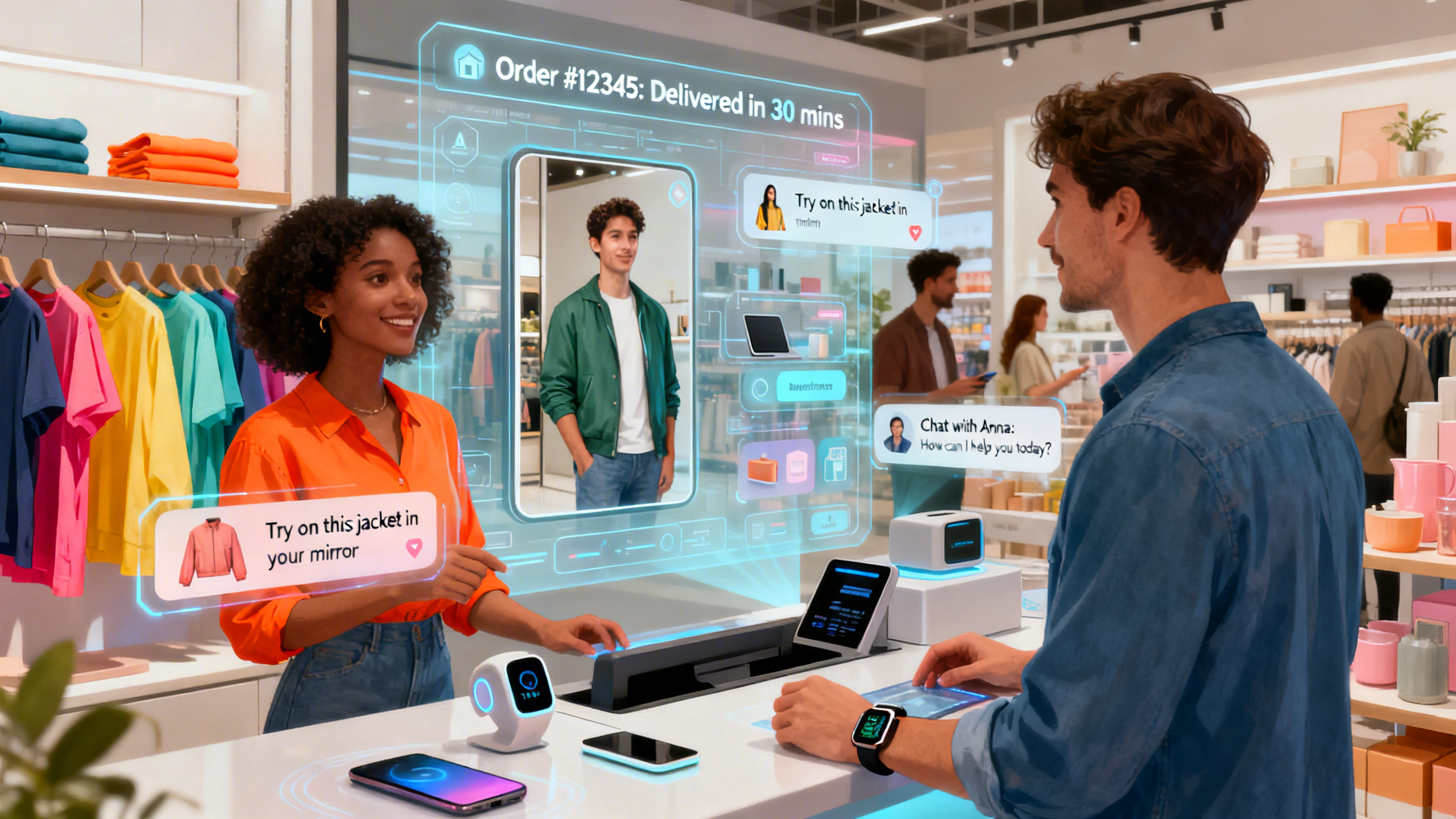
A shopper frustrated with a delayed order can now type—or even speak—their concern and receive instant, context-aware assistance. These AI agents access previous orders, track shipments, and can even issue refunds or process exchanges without human intervention. One beauty retailer’s virtual assistant, for instance, not only answers questions about ingredients or application techniques, but also remembers skin type and past purchases to shape future suggestions.
Customers who feel heard and helped are far more likely to return. As a result, brands investing in conversational AI are seeing measurable boosts in retention and word-of-mouth.
Emerging Trends Shaping Tomorrow’s Experience
The pace of AI innovation means new features and capabilities are surfacing at breakneck speed. Some of the most promising trends include:
- Voice shopping: Smart speakers and voice assistants are making it easier to shop hands-free, opening new opportunities for brands to integrate into daily routines.
- Hyper-localization: AI tailors product offerings and promotions based on a shopper’s specific region, weather, and even cultural events, making the experience feel unique to each user.
- Dynamic pricing: Algorithms now adjust prices in real time, balancing demand, inventory, and competitor moves to offer personalized deals without undermining profitability.
- Sustainability insights: Shoppers increasingly demand transparency about products’ environmental impact. AI crunches data on sourcing, packaging, and logistics to deliver sustainability scores, helping buyers make informed choices.
What This Means for Retailers and Shoppers
For businesses, the message is clear: integrating AI isn’t optional, it’s essential to staying competitive. But it’s not just about having the latest tools; success comes from aligning technology with genuine customer needs. Brands that empower their teams to interpret AI insights and adapt quickly are pulling ahead.
For shoppers, the benefits go beyond convenience. AI-powered e-commerce feels less like sifting through endless digital aisles and more like having a trusted guide who knows your tastes, understands your constraints, and offers exactly what you’re looking for—even before you know you want it.
Navigating the Challenges
Of course, the AI revolution isn’t without its obstacles. Privacy concerns remain front and center, with many consumers wary of how much data is collected and how it’s used. Leading e-commerce companies are addressing this with transparent policies and options for users to control their data, seeking to strike a balance between personalization and privacy.
Bias in AI recommendations is another real risk. If algorithms aren’t carefully monitored, they can reinforce stereotypes or limit exposure to new products. Industry leaders are investing in diverse data sets and regular audits to ensure fairness and inclusivity in every recommendation.
Finally, the human touch still matters. While AI can handle routine queries and guide shopping journeys, complex issues often require empathy and creative problem-solving that only people can deliver. The most successful retailers are blending AI efficiency with high-touch service, training staff to step in when nuance or reassurance is needed.
The AI-Powered Shopping Journey
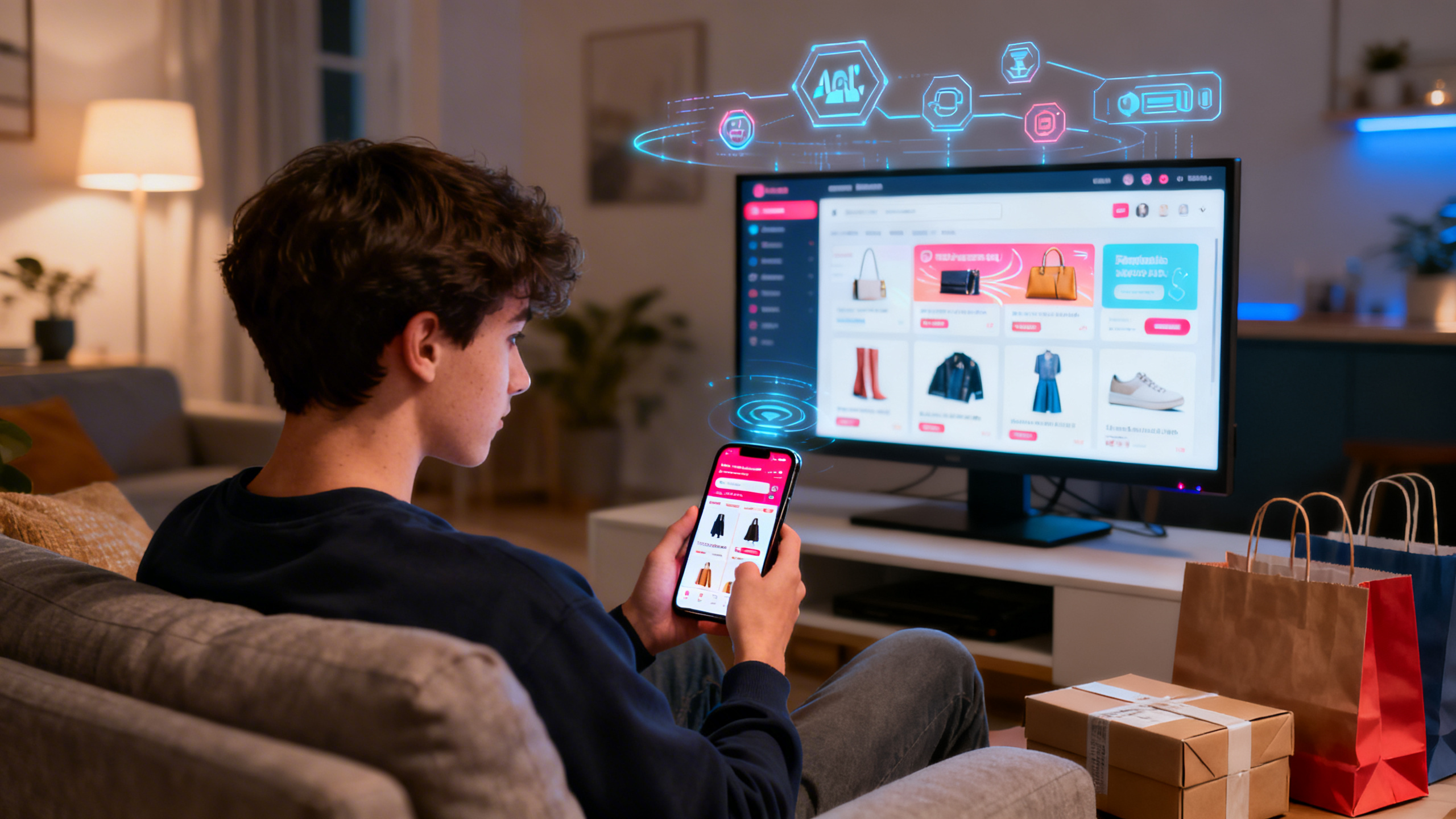
Take a moment to picture a family preparing for a big holiday celebration. The parents, pressed for time, use a voice assistant to order groceries and decorations, trusting that their preferred brands and dietary restrictions are already factored in. Their teenager, inspired by a trend on social media, snaps a photo of a dress and finds a similar one available for next-day delivery. Meanwhile, a grandparent, less tech-savvy but determined to find a thoughtful gift, gets patient guidance from a chatbot that learns and adapts to each question.
None of these interactions would be possible without the AI engines humming beneath the surface. And as these systems continue to evolve, the line between shopping online and shopping in person will blur, with digital experiences becoming just as responsive, intuitive, and delightful as any neighborhood boutique.
Actionable Steps for E-commerce Leaders
To fully leverage AI’s transformative power, e-commerce businesses can:
- Invest in holistic data strategies: Connect customer data across channels, devices, and touchpoints to enable richer AI-driven personalization.
- Prioritize transparency: Clearly communicate how AI is used and give customers control over their data and preferences.
- Blend AI with human expertise: Use AI to streamline and enhance, not replace, the human elements that build trust and loyalty.
- Monitor and address bias: Regularly review AI outputs for unintended consequences, adapting algorithms to ensure inclusivity.
- Stay agile: The AI field moves quickly. Allocate resources for ongoing experimentation and rapid deployment of new capabilities.
Redefining Retail, One Click at a Time
The intersection of artificial intelligence and e-commerce is no longer a distant promise—it’s reshaping how we shop, connect, and make decisions right now. As AI continues to learn and adapt, online shopping is being reinvented not just as a transactional process, but as a deeply personal experience. The winners in this new landscape will be those who harness AI’s power while never losing sight of what makes shopping meaningful: understanding, trust, and a little bit of delight in every discovery.