
















Rethinking E‑Commerce: Sustainable Strategies for a Greener Marketplace

" "
Sustainability isn’t just another buzzword in e-commerce—it’s reshaping the way businesses and consumers interact with the digital marketplace. As shopping carts move from malls to mobile screens, the environmental cost of convenience is under new scrutiny. The conversation about eco-responsibility is shifting from niche to necessity, pushing online businesses to reinvent operations, packaging, and even customer relationships.
Packaging Redefined: Cutting Waste, Building Trust
The unboxing experience used to be all about excitement—layers of glossy paper, bubble wrap, and branded tape. Now, it’s an arena of environmental accountability. Shoppers have become increasingly vocal on social platforms about excessive packaging, and brands are taking notice.
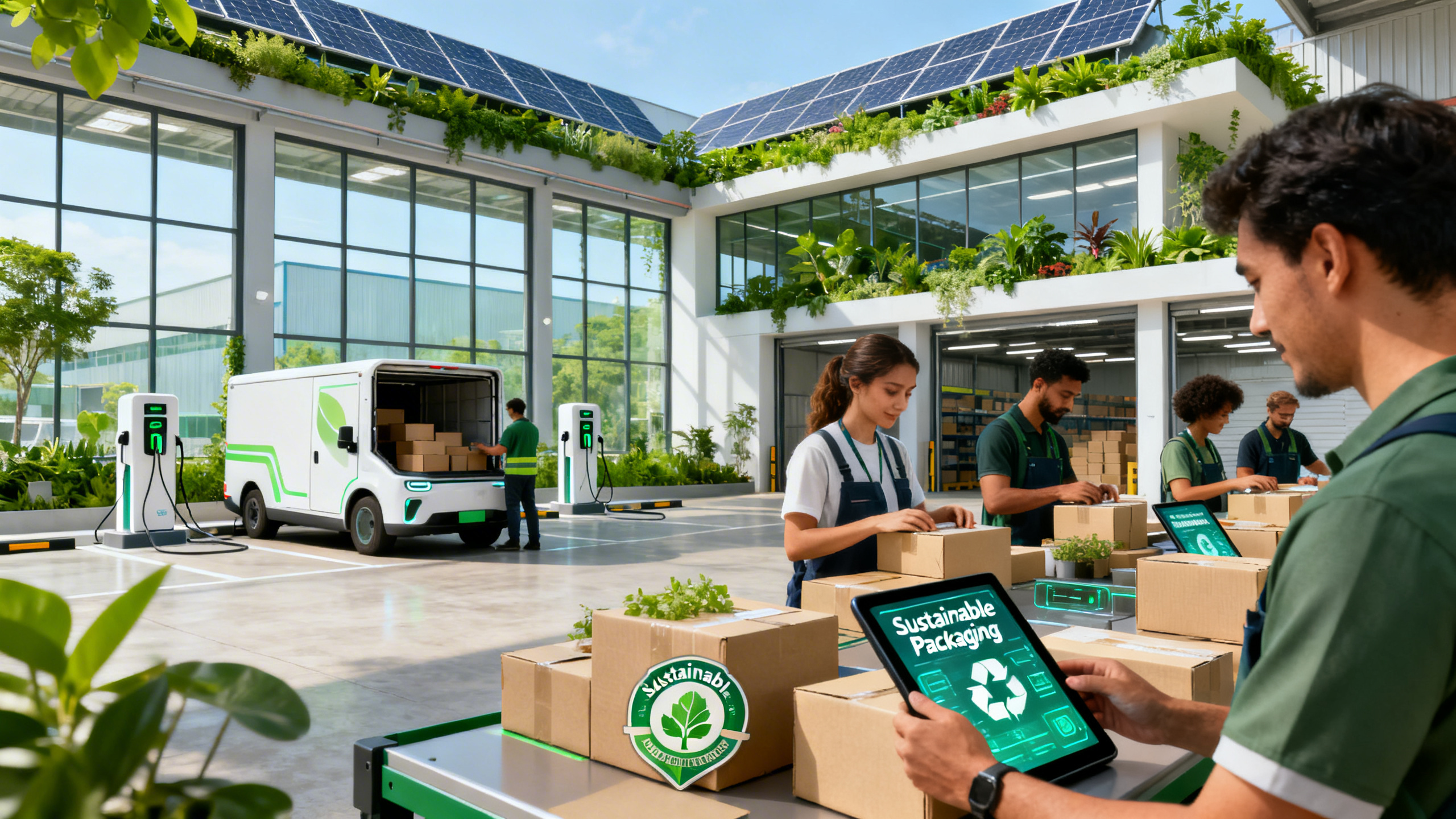
Many e-commerce companies are investing in biodegradable, recycled, or reusable packaging. According to a recent industry survey highlighted by GreenBiz, businesses moving away from plastic fillers in favor of compostable alternatives are seeing a positive uptick in customer retention and online reviews. This shift isn’t just about optics; it’s about operational efficiency, too. Reducing packaging weight and bulk translates to lighter shipments, which means fewer emissions during transport and lower shipping costs.
Customers who receive thoughtfully packaged parcels often share their experience online, sometimes sparking viral conversations that elevate the brand. In one instance, a small apparel retailer saw a surge in orders after a customer’s video of their zero-waste packaging went viral, underscoring the direct business impact of green initiatives.
Delivery Methods That Do More Than Deliver
Getting orders from warehouse to doorstep is one of the biggest contributors to an e-commerce company’s carbon footprint. Traditional logistics models prioritize speed, but at an environmental cost. Today, a growing number of retailers are offering carbon-neutral or low-emission delivery options.
Recent updates from several major online platforms indicate a trend toward partnering with last-mile delivery firms that operate electric or hybrid fleets. Some are offsetting emissions through verified environmental projects, integrating carbon calculators directly into the checkout process. Customers can now actively choose a greener shipping method or support reforestation and renewable energy projects with a single click.
Neighborhood-level delivery hubs are also emerging, allowing multiple orders to be grouped and delivered together. A specialty foods retailer, for example, recently launched a pilot program where customers could opt to have their orders delivered on designated days, reducing the number of trips and emissions. The result? Lower costs, fewer failed deliveries, and a stronger sense of community involvement.
Greener Supply Chains: Sourcing With Purpose
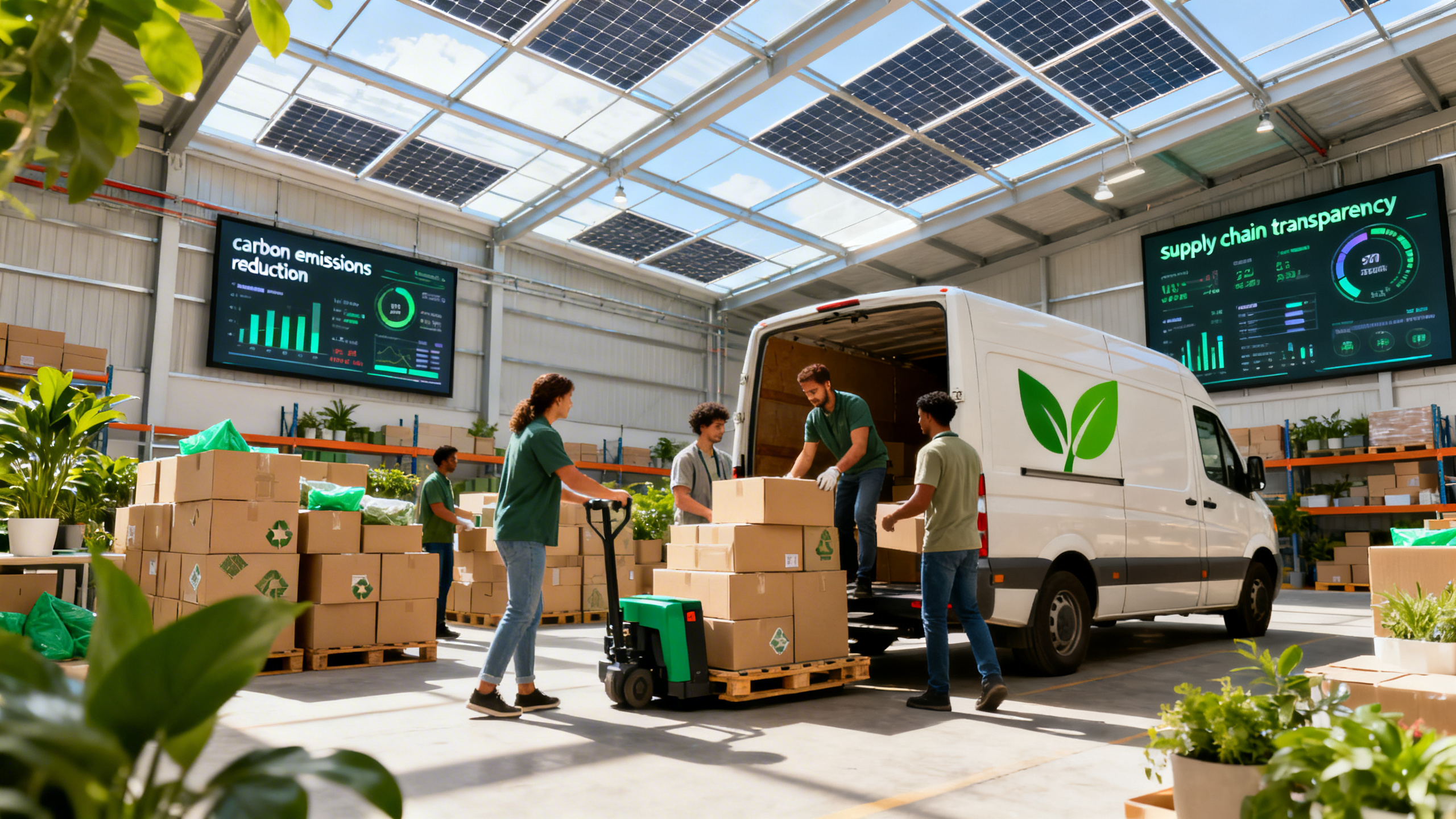
Sustainable e-commerce isn’t just about what happens after the "buy now” button is pressed. It’s deeply connected to how products are sourced, manufactured, and transported. Transparent supply chains are quickly becoming a differentiator.
Many leading online brands are now publicly disclosing their suppliers and environmental standards, responding to growing consumer demand for transparency. According to a report from EcoVadis, retailers that provide detailed information about material sourcing, labor practices, and production methods are outperforming competitors in customer trust metrics.
By nurturing relationships with manufacturers who use renewable energy, minimize water use, and adhere to ethical labor practices, brands can ensure that their products are as responsible as they are desirable. For instance, a home goods company recently began working exclusively with artisans using sustainably harvested materials, resulting in reduced returns and an increase in repeat purchases from eco-conscious customers.
Circular Commerce: Beyond Single-Use Products
A new wave of e-commerce businesses is embracing the circular economy—designing products and services that extend the lifecycle of goods and keep materials in use. Resale platforms, buy-back programs, and repair services are becoming mainstream features in online retail.
Some electronics brands are now offering trade-in options that allow customers to return old devices for store credit, which are then refurbished and resold. This approach not only reduces e-waste but also attracts value-oriented shoppers. Clothing e-tailers are piloting rental programs and "pre-loved” sections, giving garments a second (or third) life and reducing the environmental toll of fast fashion.
Such initiatives aren’t limited to giants; independent brands are leveraging circularity to distinguish themselves. A boutique outdoor gear store, for example, recently launched a repair-and-resell program, fostering customer loyalty and deepening its brand’s sustainability narrative.
Technology Powering the Change
The drive toward sustainability is being turbocharged by advances in technology. AI-powered inventory management helps businesses predict demand more accurately, reducing overproduction and unnecessary markdowns. Smart logistics platforms are optimizing delivery routes to minimize emissions, and blockchain is enabling greater supply chain transparency.
In the beauty sector, retailers are using real-time data to recommend products that match customer preferences and minimize returns—a significant but often overlooked source of waste. Meanwhile, virtual try-on tools in fashion and cosmetics cut down on sample shipments and packaging waste.
By integrating these solutions, companies are not just reducing their environmental impact but also improving efficiency and customer satisfaction.
Engaging Customers in the Sustainability Journey
Sustainable e-commerce is as much about mindset as it is about operations. Brands that succeed are those that invite their customers to be partners in the journey, not just passive recipients.
Some online retailers are rolling out reward programs for eco-friendly choices, such as selecting slower shipping, recycling packaging, or participating in product take-back schemes. Others are offering transparency dashboards, where shoppers can track the impact of their purchase decisions—from water saved to carbon offset.
In one memorable campaign, a cosmetics brand encouraged customers to share their empty containers for upcycling. The resulting social media engagement not only boosted brand loyalty but also spurred competitors to launch similar initiatives.
Overcoming Barriers to Sustainable E-Commerce
Even with the best intentions, building a sustainable online business comes with challenges. Cost is a major concern, especially for smaller companies. Sustainable materials, ethical sourcing, and green logistics often carry higher upfront expenses.
To offset these costs, some brands are reimagining their product lines, focusing on quality and longevity rather than volume. By positioning sustainability as a core value—and communicating its benefits clearly—they’re able to command a premium and attract a dedicated customer base.
Another hurdle is the complexity of global supply chains. Ensuring that every link meets environmental and ethical standards can be daunting. Collaboration and industry partnerships, however, are making it easier for even modest brands to access sustainable resources and share best practices.
Practical Steps for E-Commerce Sustainability
For those looking to make their online business greener, a few actionable strategies stand out:
- Audit your packaging: Switch to compostable, recycled, or minimal packaging. Engage suppliers that can provide innovative solutions.
- Rethink logistics: Partner with delivery providers committed to reducing emissions. Offer incentives for customers willing to choose slower, greener shipping.
- Source responsibly: Choose suppliers who adhere to strict environmental and labor standards. Make your supply chain as transparent as possible.
- Embrace circularity: Add repair, resale, or recycling programs to keep products in use longer.
- Leverage technology: Use smart inventory management and route optimization to reduce waste.
- Engage and educate: Share your sustainability journey with customers, invite feedback, and empower them to make eco-friendly choices.
The Road to a Greener Digital Marketplace
Sustainable e-commerce isn’t a destination—it’s an evolving journey shaped by innovation, collaboration, and a willingness to rethink the status quo. As consumer expectations shift, online businesses that lead with transparency, creativity, and accountability are finding new ways to thrive.
The future of e-commerce belongs to brands that see environmental responsibility not as a challenge, but as an opportunity to build deeper trust, foster loyalty, and create lasting value for both people and the planet. The digital marketplace is being reimagined—one greener package, smarter delivery, and conscious choice at a time.