

















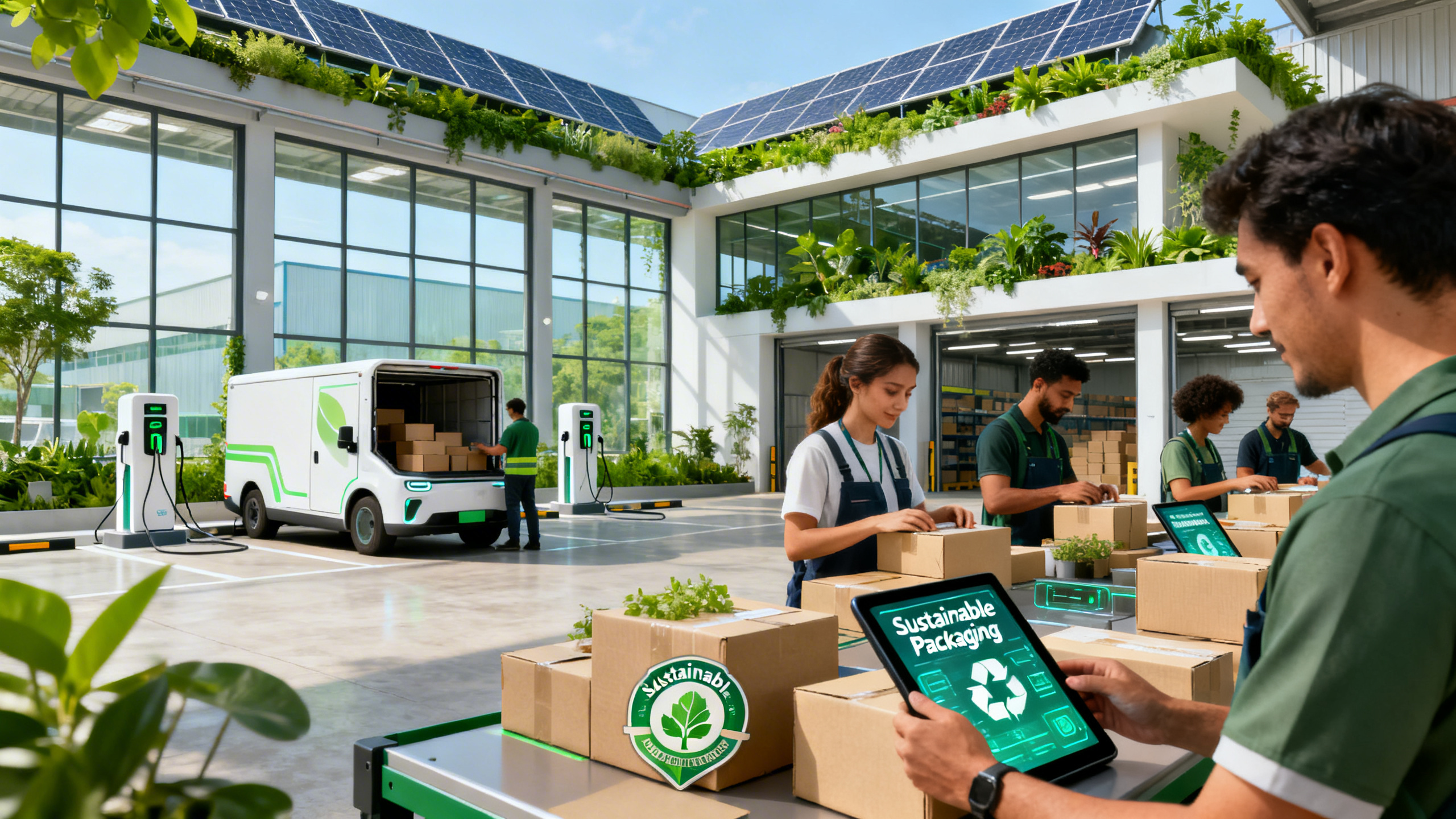
Greener Clicks: Crafting E-Commerce Brands with Lasting Sustainability

" "
E-commerce has redefined the way people shop, but as carts fill up with the tap of a finger, a new question hovers over the digital marketplace: How can online brands serve a growing demand while treading lightly on the planet? The digital storefront offers unique opportunities for sustainable innovation—if brands are willing to look beyond the quick sale and build deeper, more responsible relationships with their customers and supply chains.
Shoppers Demand More Than Fast Delivery
Not long ago, speed and convenience ruled online shopping. Now, a growing number of consumers pause before they buy, searching for brands that reflect their own environmental values. According to a recent survey highlighted by Statista, over half of online shoppers say sustainability influences their buying decisions. For many, the purchase journey begins not just with a search for the lowest price, but with questions about how products are made, shipped, and packaged.
The marketplace has responded. Major platforms are piloting new eco-friendly features, from ‘green’ badges for verified sustainable products to detailed product lifecycle disclosures. Brands that once quietly balanced cost and convenience are now spotlighting their environmental commitments, knowing that transparency is no longer a bonus but an expectation.
Rethinking Packaging from Box to Bag
Few things frustrate eco-conscious buyers more than a mountain of unnecessary packaging. The e-commerce sector has become a major contributor to packaging waste—an issue that’s impossible to ignore as recycling bins overflow with cardboard, plastic wrap, and foam.
Brands making strides in this arena aren’t just swapping plastic for paper. They’re reimagining the unboxing experience, designing packaging that is minimal, reusable, or compostable. For instance, a leading beauty brand recently overhauled its shipping process by introducing a new system where customers can opt for reusable pouches instead of traditional boxes. Early results show significant reductions in waste and enthusiastic feedback from repeat buyers.
Smart packaging goes beyond materials. Some companies have turned to advanced logistics software that allows them to right-size each shipment, eliminating the need for excess filler and oversized boxes. These incremental changes add up, reducing not only waste but also shipping emissions from bulkier orders.
Cleaner Deliveries, Closer to Home
Sustainable e-commerce isn’t just about what you sell, but how it arrives at the buyer’s door. Last-mile delivery is often the most carbon-intensive step in the journey, especially as same-day shipping becomes the norm.
Forward-thinking retailers are experimenting with innovative delivery models. Several major players have expanded the use of electric vehicles in urban areas, while others invest in micro-fulfillment centers strategically located to cut down on travel distance. The results are already visible: reduced emissions, fewer delivery vans idling in neighborhoods, and improved air quality where these efforts are rolled out.
There’s also been a rise in partnerships with local courier services and community-based delivery hubs, making it easier for shoppers to pick up packages at a nearby location—often by foot or bike. This hyperlocal approach not only shrinks the carbon footprint but fosters a sense of trust and belonging between brands and their communities.
Transparency as a Trust Builder
The journey toward greener e-commerce isn’t always linear. Brands face tough choices: offsetting emissions isn’t a replacement for cutting them, and not all “eco-friendly” claims are created equal. As sustainability marketing grows more sophisticated, so does consumer skepticism.
To build real trust, brands are investing in traceability. Blockchain technology and third-party certifications have found their way into product listings, allowing shoppers to track the origin, journey, and ecological impact of what they buy. One outdoor gear retailer recently introduced a digital passport for its products, enabling customers to see everything from materials sourcing to repair and recycling options.
This level of openness pays off. Shoppers who can verify a brand’s claims are far more likely to return—and to spread the word. In a space where trust is currency, transparency is no longer just a value-add; it’s a differentiator.
Supply Chain Overhauls that Matter
It’s easy to focus on the visible elements of sustainability—packaging, delivery, product design—but the backbone of any e-commerce operation is its supply chain. Here, small changes can create outsized ripple effects.
Recent news from the apparel sector underscores a shift in supplier relationships. Instead of squeezing partners for the lowest costs, some brands are offering incentives for sustainable practices, like water conservation or renewable energy adoption. These collaborations have resulted in measurable reductions in environmental impact, and suppliers have responded positively, recognizing that long-term partnerships can be more valuable than short-term margins.
There’s also a noticeable uptick in brands conducting full supply chain audits, mapping each step from raw materials to customer delivery. By spotlighting inefficiencies, these reviews identify opportunities for improvement—from reducing unnecessary shipments to shifting toward greener suppliers.
Small Brands, Big Impact
While large brands often make headlines, smaller e-commerce businesses are proving that meaningful change doesn’t require massive resources. Many have built their reputations around eco-friendly missions from the start, using recycled materials, carbon-neutral shipping, or even upcycled products.
One independent fashion label found success by handcrafting clothing from pre-loved textiles, turning surplus fabric into limited-edition runs. The personal touch—stories about each piece’s origin and maker—resonates with customers seeking connection as well as style. The brand’s loyal following is a testament to the power of authenticity in a crowded digital marketplace.
These stories are increasingly common as platforms like Etsy and Shopify roll out tools for tracking and showcasing sustainability credentials. The playing field is leveling, and the advantage goes to brands willing to innovate and communicate their green values.
Practical Moves for a Greener Digital Shopfront
Making a commitment to sustainability can feel daunting, especially in an environment where trends shift quickly and expectations run high. But even small, actionable steps can set an e-commerce brand apart:
- Audit your packaging: Seek out suppliers who offer compostable or recycled options, and consider how you can minimize materials without compromising product safety.
- Offer carbon-neutral shipping: Partner with logistics providers who support emissions offsetting, or give customers the choice to pay a small fee to neutralize their order’s footprint.
- Highlight product longevity: Educate buyers about care, repair, and end-of-life recycling options, making it easy for them to extend the life of their purchases.
- Embrace circular commerce: Explore buy-back or refurbishment programs that keep products in circulation longer and reduce waste.
- Tell your story: Share the journey of your products and your brand’s sustainability milestones, inviting customers to be part of the solution.
From Clicks to Connections: Building a Loyal Green Community
Sustainable e-commerce isn’t just about ticking boxes—it’s about forging relationships that last beyond the first sale. Brands that invite shoppers to participate in their sustainability journey foster loyalty and advocacy.
A popular skincare brand recently launched a refill program, encouraging customers to return empty containers for discounts on future purchases. The initiative not only slashed single-use packaging but sparked a lively online community where customers share tips on upcycling and reducing waste in daily life.
By turning transactions into conversations, these brands create a sense of shared mission. The result? Higher retention, stronger word-of-mouth, and a competitive edge in a market where values matter as much as price or speed.
The Road Ahead for Digital Sustainability
The push for greener e-commerce is accelerating, driven by consumer demand, regulatory shifts, and the urgent need to address environmental challenges. As sustainability moves from the margins to the mainstream, brands can no longer afford to treat it as an afterthought.
The next wave of innovation will likely focus on deeper partnerships across the supply chain, smarter use of technology to track and reduce impact, and creative new ways to engage customers in the journey. Those who act boldly—and communicate their efforts authentically—will define the future of online shopping.
What sets the leaders apart is not perfection, but a willingness to adapt, listen, and keep moving forward. In the evolving digital marketplace, green brands aren’t just good for the planet—they’re essential for building trust, loyalty, and lasting value in a world that’s increasingly defined by what we buy and how it arrives at our doors.
Sustainable e-commerce isn’t simply a trend. It’s a new way to build brands that last—one shipment, one story, one conscious click at a time.