















Personalized Shopping: How AI Is Transforming E-Commerce from Browsing to Buying

" "
Algorithms That Know What You Want
Not so long ago, online shopping meant scrolling through endless pages of products, hoping to stumble on the right thing. Today, that experience feels almost quaint. E-commerce giants and nimble startups alike are quietly deploying AI and machine learning to turn chaotic product catalogs into curated, one-of-a-kind storefronts for every shopper.
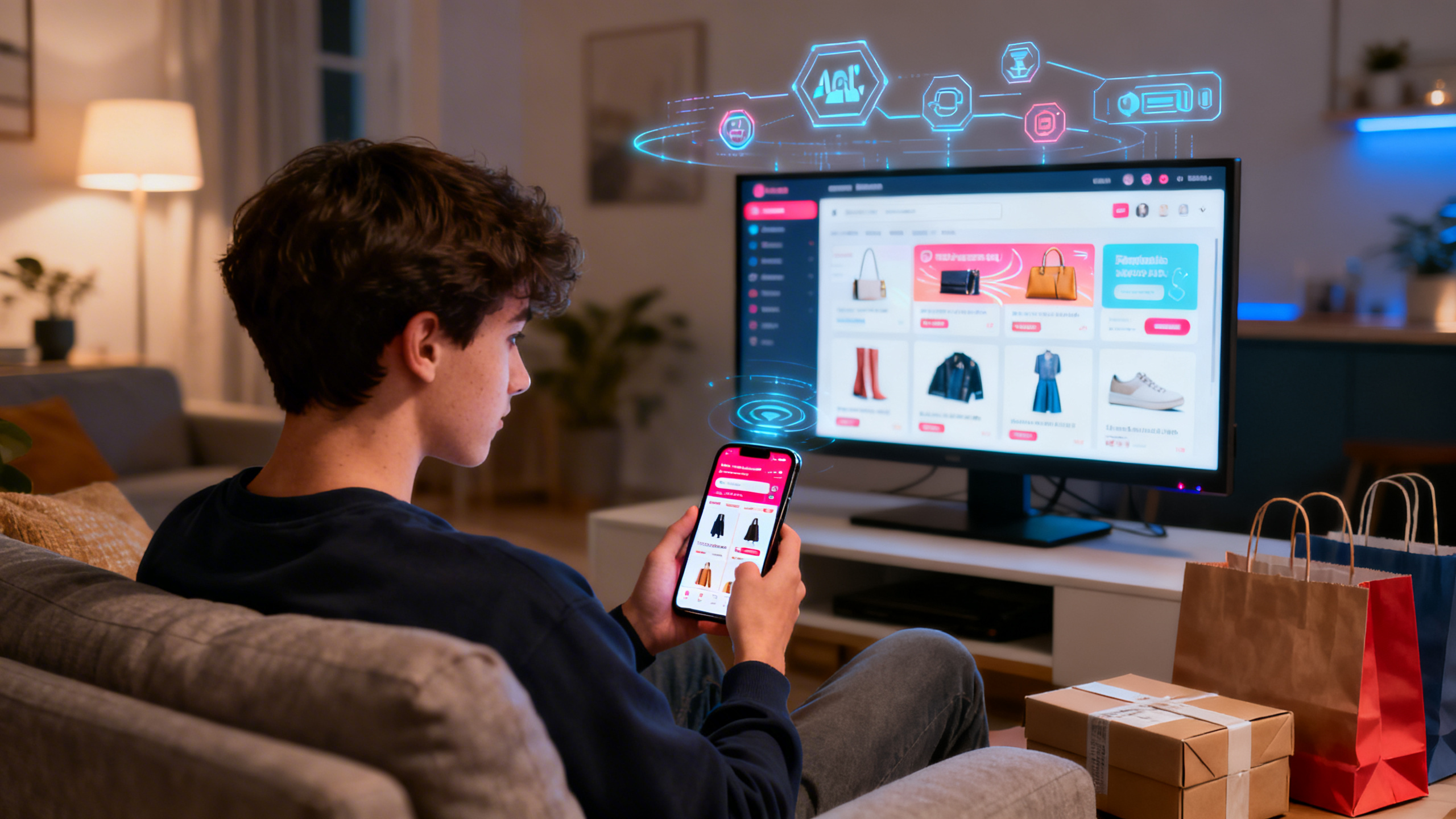
Recommendation engines now do far more than suggest what “customers also bought.” They build nuanced profiles by tracking browsing patterns, comparing purchase histories, and even analyzing how long shoppers linger on product images. For instance, a shopper who spends extra time hovering over eco-friendly travel gear will see more sustainable options promoted in their feed, while someone who clicks rapidly through the latest tech gadgets may be offered early access to trending devices.
This kind of personalization isn’t just a pleasant surprise for consumers—it’s rapidly becoming an expectation. According to a recent industry survey highlighted by TechCrunch, shoppers are more likely to return to platforms that remember their tastes and deliver tailored product suggestions. Retailers are seeing the payoff in growing conversion rates and larger basket sizes, all driven by machine learning models that are getting smarter with each transaction.
Virtual Fitting Rooms Go Mainstream
For years, one stubborn barrier to buying apparel, accessories, or even furniture online has been the inability to “try before you buy.” AI is fast dissolving that obstacle with virtual fitting rooms and augmented reality tools.
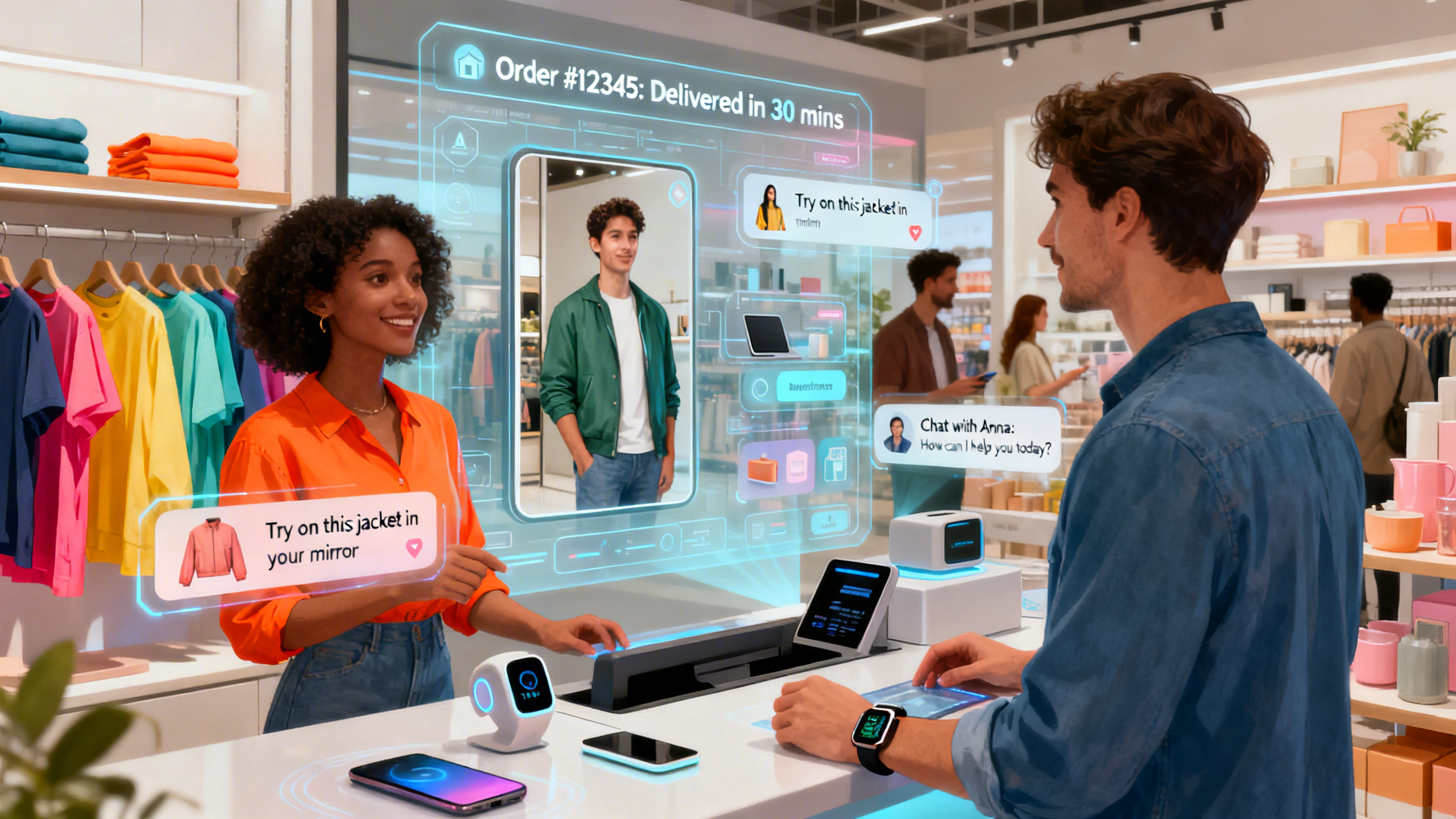
Major fashion retailers have rolled out AI-powered platforms that let shoppers upload photos or short videos, then try on clothing or accessories with realistic, size-accurate overlays. Home decor brands are leveraging similar tech, allowing customers to visualize how a sofa or lamp will look in their living room by using their smartphone’s camera.
The impact is tangible. According to an analysis from Retail Dive, retailers deploying AI-driven virtual try-on features have seen a significant reduction in product returns and higher customer satisfaction scores. One home goods company even reported that customers who used its AR visualization tool were twice as likely to complete a purchase compared to those who didn’t.
Chatbots That Actually Help
Once, e-commerce chatbots were little more than glorified FAQ pages with a chat window. Today’s AI-powered assistants are far more sophisticated, handling everything from order tracking to complex returns, while maintaining a conversational, natural tone.
A recent rollout from Shopify demonstrates just how far this technology has come. Their latest chatbot update leverages advanced language models to interpret nuanced customer questions, anticipate follow-up queries, and, when necessary, escalate issues to human support teams without missing a beat. Shoppers can now ask for style advice, get real-time inventory checks, or resolve billing quirks—all without leaving the chat.
These intelligent assistants are especially valuable during high-traffic events like flash sales or holiday shopping holidays, when customer service teams are often overwhelmed. With AI handling the routine questions, human agents can focus on the thornier issues, resulting in quicker resolutions and happier customers.
Smarter Searches, Fewer Dead Ends
Search bars used to be the Achilles’ heel of online shopping. A single typo or vague description could mean the difference between a sale and a bounce. AI-powered search has rewritten those rules.
Modern search engines draw on natural language processing to understand context, intent, and even regional slang. Misspelled “sneekers” instead of “sneakers”? No problem. Looking for “something to wear to a summer wedding”? AI parses the request and delivers tailored suggestions that fit the bill.
Image search is also on the rise. Shoppers can now snap a photo of a bag they spotted on the street and instantly find similar styles online. Pinterest and Google Lens have made this mainstream, but smaller e-commerce shops are also integrating visual search features—turning inspiration into instant gratification.
Dynamic Pricing in Real Time
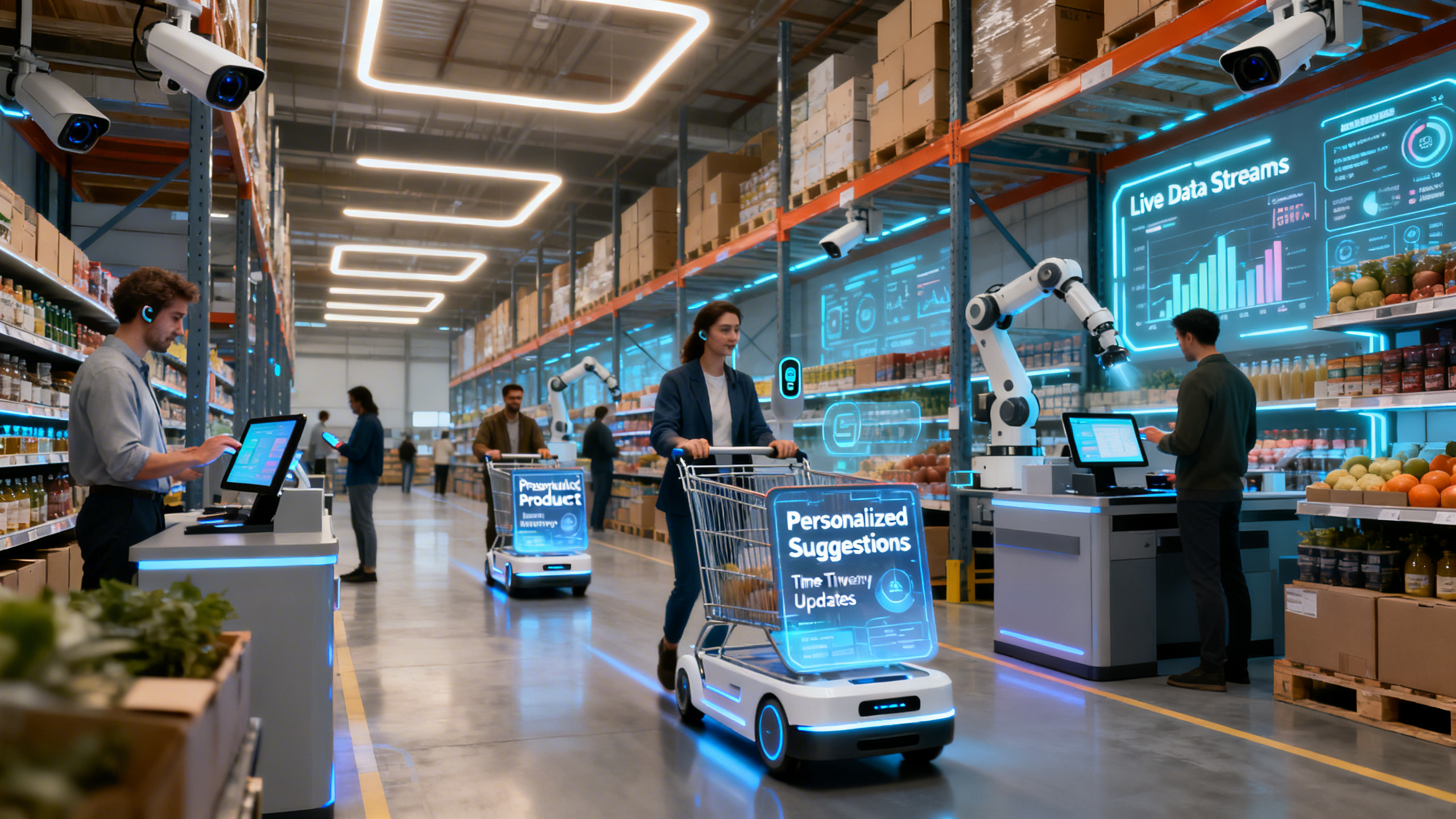
Price tags have always been flexible in physical marketplaces, but online, the pace and precision of changes are unlike anything before. Machine learning models now monitor everything from competitor prices to supply chain fluctuations and consumer demand, tweaking prices in real time.
This means that shoppers might catch a better deal if they check out a little later in the day or if there’s a sudden surge in interest for a particular product. For retailers, the benefits are clear: better inventory management, optimized margins, and the ability to react almost instantaneously to market shifts.
However, this trend is also sparking debate. Some consumer advocates warn that highly individualized pricing could lead to a lack of transparency or even price discrimination. Retailers are scrambling to balance personalization with fairness, often building guardrails into their algorithms to ensure trust isn’t eroded.
The Rise of Voice Commerce
Smart speakers and voice-enabled devices have quietly crept into millions of homes, and with them, a new chapter in e-commerce is unfolding. More shoppers are telling Alexa or Google Assistant to reorder essentials, check delivery statuses, or hunt for gift ideas.
Retailers are responding by optimizing their platforms for voice search and even creating branded “skills” for major voice assistants. Grocery chains, for example, enable customers to build shopping lists and place orders entirely by voice—perfect for busy parents juggling dinner prep or professionals multitasking during a commute.
Anecdotal evidence from industry insiders suggests that voice commerce is especially popular for routine purchases—think paper towels or pet food—where convenience trumps the desire for product discovery. But as AI improves its ability to handle complex requests, expect more shoppers to use their voice for everything from booking travel to curating personalized shopping guides.
Fraud Detection That Learns on the Fly
With the explosion of e-commerce has come a parallel surge in sophisticated fraud attempts, from payment scams to account takeovers. AI and machine learning are now at the front lines, analyzing thousands of data points per second to weed out suspicious transactions.
Unlike rule-based systems of the past, today’s fraud detection tools learn and adapt. If a fraudster tries a new technique, the system can often identify and block it before real damage is done. Major payment processors have built AI into their transaction pipelines, boasting double-digit reductions in chargeback rates and fraudulent orders.
For shoppers, this means greater peace of mind. For retailers, it’s a critical defense that keeps their reputations intact and minimizes losses. In one memorable incident, a small luxury goods retailer was able to stop a coordinated attack thanks to an AI system that spotted subtle patterns in shipping addresses and purchase behavior—something no human eye would have caught in time.
Supply Chains That Anticipate Demand
Behind every seamless online purchase lies a complex supply chain, and AI is transforming how retailers forecast demand, manage inventory, and optimize deliveries. Algorithms crunch historical sales data, weather patterns, social media trends, and more to predict which products will be hot (or not) in the days ahead.
One global retailer recently credited its AI-driven demand forecasting with slashing stockouts and excess inventory, which not only improved profits but also cut down on waste. That’s a win for both the bottom line and the environment.
Automated warehouses, powered by machine learning, now direct robots to pick and pack orders with astonishing speed and accuracy. Delivery companies are using AI to map out the most efficient routes, reducing transit times and carbon footprints alike.
Ethical Questions and Consumer Trust
For all the benefits, the rise of AI in e-commerce isn’t without controversy. Privacy advocates are raising alarms about the sheer volume of personal data being collected to fuel these intelligent systems. Shoppers are increasingly weighing convenience against concerns about how their information is used—or misused.
Retailers that lead the way in transparency and ethical data practices are winning trust. Some platforms now allow customers to control what data is collected or to opt out of certain personalization features entirely. Others have published detailed policies explaining how AI is used in pricing, recommendations, and fraud prevention.
It’s a delicate balance. Too much personalization can feel invasive; too little, and the magic of a truly tailored shopping experience disappears. The smartest brands are listening closely to their customers, refining their algorithms not just for profit, but for genuine value.
A Glimpse into Tomorrow’s Shopping
As AI and machine learning continue to evolve, the line between physical and digital retail blurs even further. Imagine walking into a brick-and-mortar store where your online preferences are already known, and where digital assistants help you find exactly what you need—in real time, with a human touch.
Shoppers will continue to expect more: frictionless checkout, instant support, and a sense that each experience is crafted just for them. Retailers who harness AI not just for efficiency, but for empathy and creativity, will set the pace.
For consumers, the future promises something even more profound: a world where shopping is less about sifting through noise, and more about discovering what truly matters—whether it’s a hard-to-find vintage record, the perfect pair of running shoes, or the right lamp to light up a home. AI may be behind the curtain, but the stage is set for a new era where technology and human experience walk hand in hand.