















E-Commerce Reinvented: How Next-Gen Tech Is Redefining Online Shopping Experiences

" "
Online shopping has never stood still for long, but a powerful wave of innovation is now reshaping what it means to buy, sell, and connect in the digital marketplace. As brands and buyers adapt to fresh technologies and shifting expectations, the e-commerce landscape is transforming in ways that promise smoother, smarter, and more immersive experiences for everyone involved.
Immersive Shopping Goes Mainstream
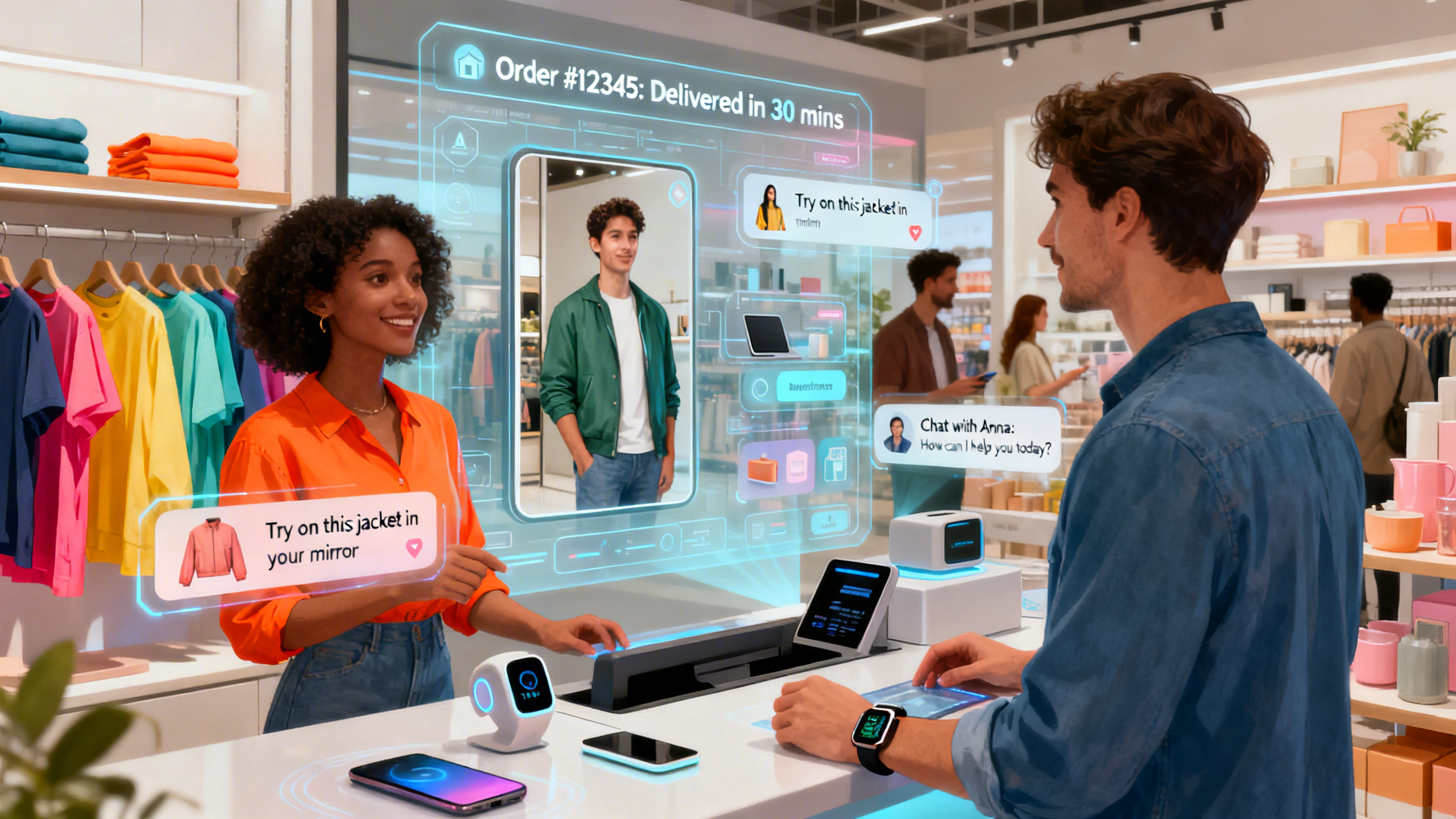
Virtual try-ons and 3D product previews have moved well beyond novelty status. Thanks to leaps in augmented reality (AR) and artificial intelligence (AI), shoppers can now visualize sneakers on their feet, jewelry on their wrists, or furniture in their living rooms—all with the swipe of a smartphone. Leading platforms have rapidly expanded these features, aiming to remove guesswork and boost buyer confidence.
Clothing retailers are doubling down on AR fitting rooms, letting users see how fabrics drape and colors pop in real-time. Meanwhile, home decor giants are rolling out apps that anchor virtual sofas or lamps within an actual living space, giving a true-to-life sense of size and style. This kind of interaction isn’t just fun; it’s proving to shrink return rates and increase satisfaction, as shoppers feel more certain about their choices from the outset.
AI-Powered Personalization at Every Click
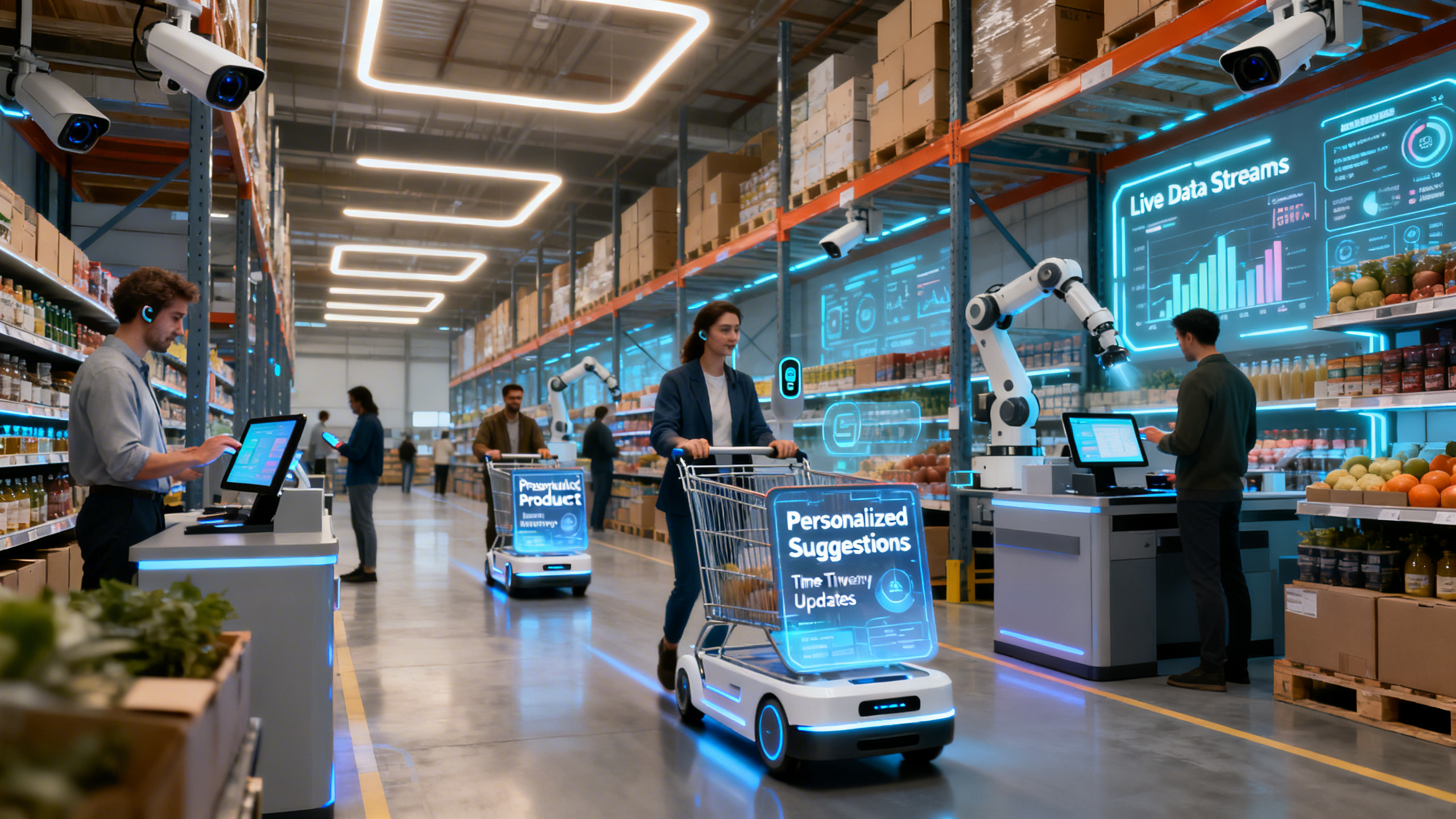
Personalization has always been the holy grail of online retail, but new AI engines are pushing it into deeply tailored territory. Modern recommendation systems track browsing habits, purchase history, and even subtle cues like time spent on product photos. The result? Product suggestions that feel less like spam and more like an attentive stylist.
A frequent online shopper described finding new skincare products that fit her unique regimen, not because she searched for them, but because they appeared in her suggestions—curated from her previous clicks and reviews. Behind the scenes, AI sifts through millions of data points to assemble a selection that matches individual tastes, budgets, and even moods.
Retailers integrating dynamic pricing algorithms are seeing further impact, with prices adjusting based on demand, inventory levels, and shopper profiles. This flexible approach is making bargains more personal, while also helping stores manage supply and avoid stockouts.
Voice Commerce Takes Center Stage
Smart speakers and voice assistants have quietly become shopping companions for millions. With hands-free commands, users reorder essentials, check shipping updates, or explore deals—all while making breakfast or tending to family. Retailers are fine-tuning their voice-enabled storefronts to understand nuanced requests and provide relevant responses.
One grocery chain revamped its ordering system to let shoppers add items to their cart through natural conversation, recognizing synonyms and understanding dietary needs. For people with mobility challenges or busy parents multitasking at home, this shift from typing to talking is more than a convenience—it’s a lifeline to independence and efficiency.
Social Commerce Breaks New Ground
Social platforms once served mainly as marketing tools, but now they're becoming the shopping malls of the internet. From shoppable posts on photo feeds to live-streamed product launches, the line between content and commerce is vanishing. Influencers demonstrate products in real-time, fielding questions and offering limited-time discounts to viewers who can buy with a single tap.
A group of friends in a group chat recently collaborated on a shared shopping cart, picking out matching outfits for an upcoming event. The platform’s collaborative shopping tools made it easy to vote on styles and split payment, turning what was once a solo activity into a social experience.
Seamless Checkout and Payment Innovations
Abandoned carts have long haunted e-commerce, but new payment methods are tackling the friction head-on. Digital wallets, one-click checkouts, and buy-now-pay-later (BNPL) options are giving buyers more flexibility and speed. Fintech startups are also integrating cryptocurrency support, adding fresh appeal for tech-savvy consumers who want to pay with digital assets.
A small business owner shared how her shop’s switch to instant payment options led to a sudden surge in completed orders, especially from younger customers accustomed to frictionless transactions in other apps. As these tools become standard, the old multi-step checkout is fading away, replaced by a few taps and instant confirmation.
Sustainability Moves Front and Center
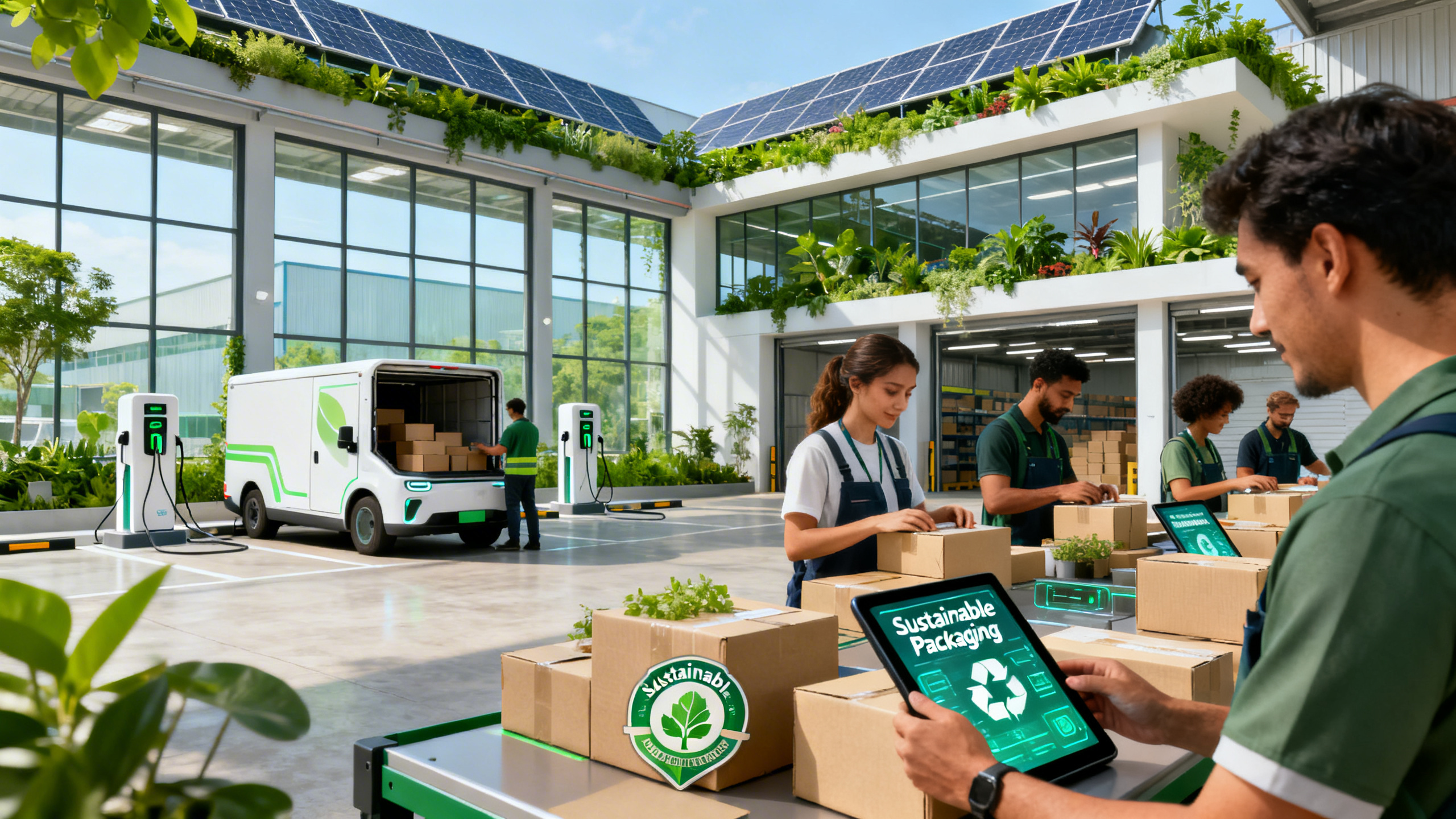
Shoppers are increasingly weighing the environmental impact of their purchases. Transparent supply chains, eco-friendly packaging, and carbon-neutral delivery options are moving from niche to necessity. Brands that openly share their sustainability efforts are earning trust—and loyalty—from a new generation of conscious consumers.
A popular apparel brand partnered with local couriers using electric bikes, promising same-day delivery with minimal emissions. Customers receive updates not only on shipping status but also on the carbon offset generated by their order. These details are influencing decisions, nudging buyers toward brands that align with their values.
Cross-Border Shopping Without Borders
Global e-commerce is no longer the domain of the big players alone. Localization technologies are making it easier for small and medium businesses to sell internationally, with automated translations, region-specific pricing, and local payment methods. Logistics partners are smoothing out customs and returns, reducing the headaches that once deterred cross-border buyers.
A handcrafted goods store in Southeast Asia recently expanded its reach to Europe, using a platform that handles currency conversion and tax compliance automatically. Customers abroad can shop in their own language, pay in their own currency, and enjoy clear shipping expectations—making global shopping feel local.
Real-Time Customer Support Evolves
Chatbots have matured into true customer care agents, ready to resolve issues, answer questions, and even assist in finding the right products. Powered by machine learning, these systems are learning to recognize tone and intent, switching to human staff only when necessary. This blend of automation and empathy is reducing wait times and raising satisfaction.
One electronics retailer reported a spike in positive reviews after deploying a chatbot that could diagnose order problems and arrange immediate replacements. Shoppers appreciated the swift response, while the human team focused on more complex cases that needed a personal touch.
The Rise of Ethical Marketplaces
Transparency is becoming as important as convenience. New e-commerce platforms are springing up with clear commitments to fair wages, ethical sourcing, and community investment. These marketplaces give buyers a way to support causes they care about—whether that means local artisans, women-owned businesses, or climate-positive initiatives.
A jewelry collective highlighted the artisans behind each piece, complete with stories and photos, creating a direct connection between maker and buyer. This narrative approach isn’t just feel-good—it’s driving meaningful sales, as customers seek out authenticity and accountability in every purchase.
Security and Trust in a Digital World
With great convenience comes new risk, and shoppers are demanding robust security. Biometric authentication methods like facial recognition and fingerprint scans are appearing at checkout, dramatically reducing fraud. Platforms are investing heavily in encryption and fraud detection, ensuring that both buyers and sellers are protected.
A frequent traveler recounted how a platform’s layered security saved her from a potential scam, alerting her to suspicious activity and freezing the transaction before any damage occurred. These protections are not only preventing loss but also reinforcing confidence in the digital buying process.
Where Online Shopping Goes from Here
The pace of change in e-commerce is showing no signs of slowing. As AR, AI, voice, and social commerce become standard, the gap between physical and digital retail is shrinking every day. The winners in this new arena are those who blend technology with human insight—creating experiences that feel personal, ethical, and effortless.
For shoppers, this means more freedom to choose, customize, and connect. For brands, it demands continuous adaptation, with an eye toward emerging tech and evolving values. And for everyone, it opens up a world where convenience, choice, and conscience go hand in hand.
Key Shifts Impacting E-Commerce Now:
- Augmented reality lets buyers engage with products in their own space.
- AI tailors recommendations, pricing, and support to each user.
- Voice assistants and social feeds are becoming shopping channels.
- Seamless payments and instant checkouts drive conversions.
- Sustainability and ethics are influencing loyalty and brand choice.
- Localization and logistics are making global commerce accessible to all.
- Security investments are earning trust and protecting shoppers.
As these trends gather momentum, the simple act of shopping online is being reimagined. What was once about convenience is now about connection—between people, technology, and the world they want to build. The journey ahead is as much about values as it is about innovation, and the most successful brands will be those that understand both.