













Beyond Checkout: How E-Commerce Is Reinventing the Digital Shopping Journey

" "
Online shopping has never stood still. Each year, the expectations of customers evolve, platforms adapt, and the very definition of “convenient” gets rewired. Recently, a fresh wave of innovation has swept across e-commerce, quietly but profoundly reshaping the digital shopping experience. This shift isn’t just about faster deliveries or flashier websites—it’s about making online commerce smarter, more intuitive, and deeply personal. Let’s unravel how these trends are playing out behind the screens and what they mean for shoppers and businesses alike.
Personalized Journeys From Start to Finish
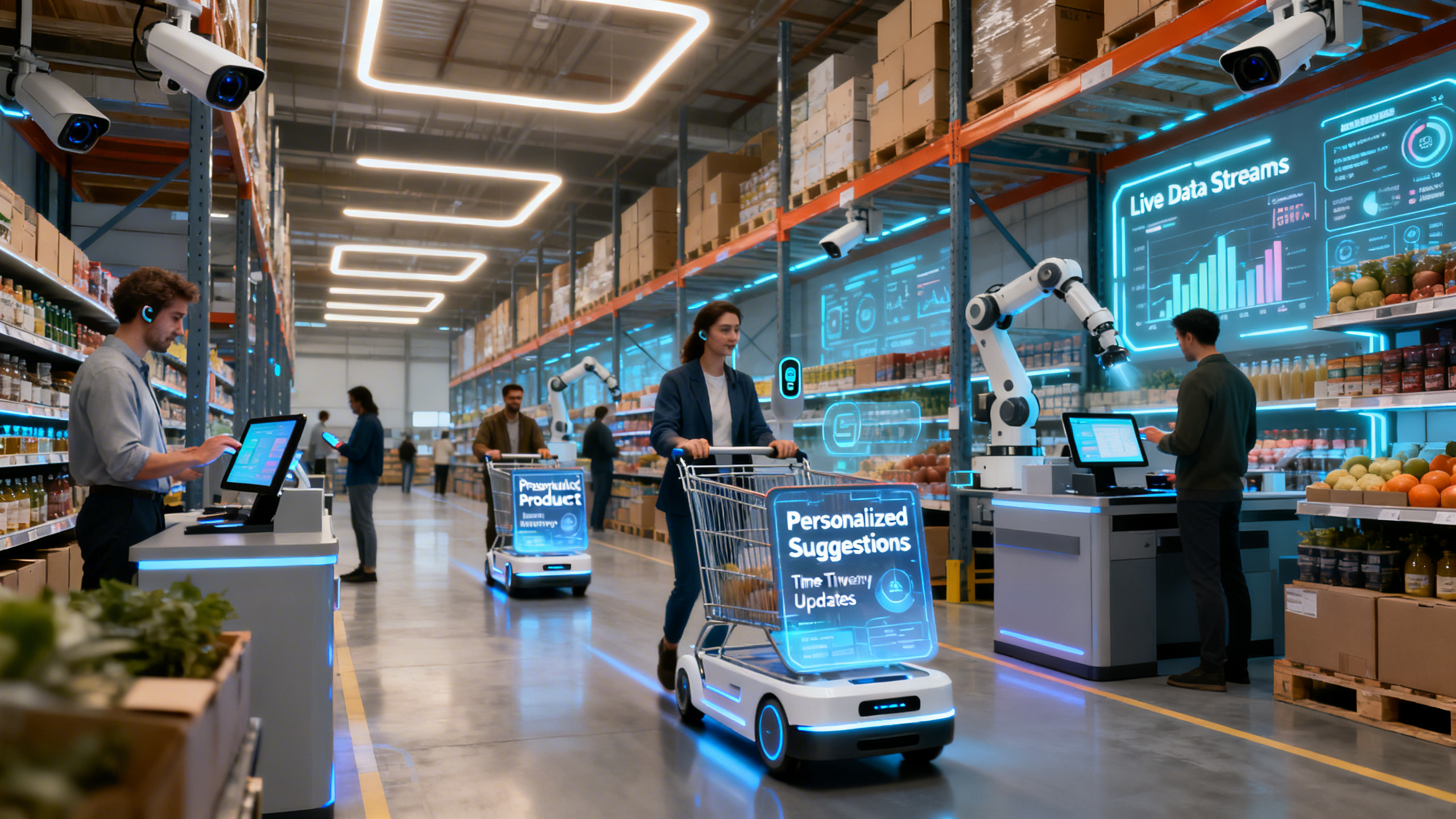
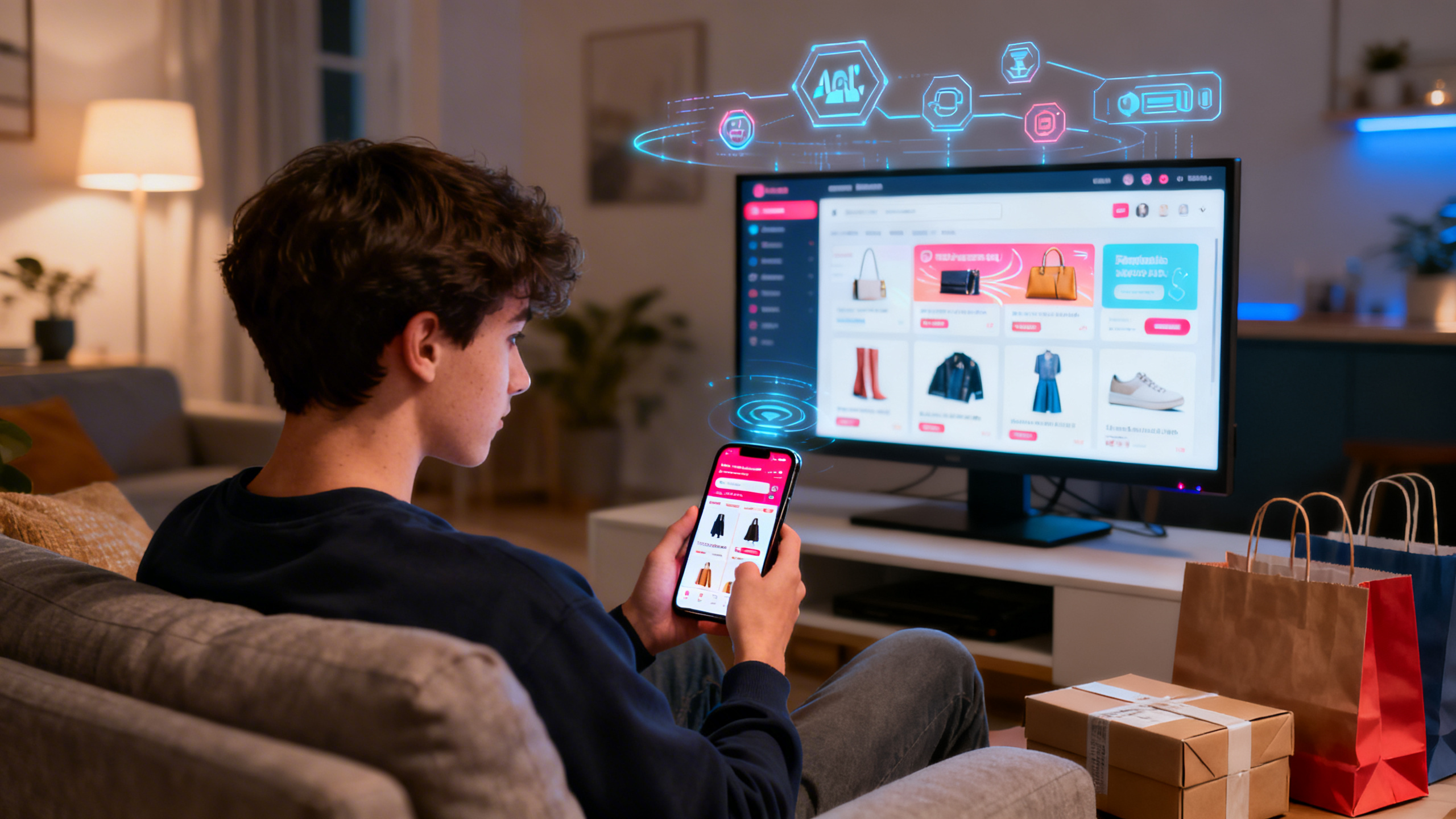
Modern e-commerce has moved well past generic recommendations and one-size-fits-all promotions. According to industry analysts from Insider Intelligence, new AI-driven algorithms are tailoring not just what products appear, but how entire store layouts look to individual users. Imagine logging into a fashion retailer and finding the landing page has rearranged itself to highlight your preferred styles and brands, while quietly pushing less relevant options to the background.
One online electronics giant recently introduced a feature that remembers previous browsing behaviors—not just purchases—and uses subtle cues to suggest accessories or upgrades you’re likely to need soon. This isn’t just upselling; it’s anticipating needs much like a knowledgeable store clerk might after seeing your shopping patterns.
Personalization has also begun extending into customer service. Chatbots powered by advanced language models now recall past conversations, making each interaction feel less like a cold transaction and more like an ongoing relationship.
The Rise of Live and Social Shopping
If scrolling through static product pages once defined shopping online, the experience is now becoming more dynamic and social. Several major platforms have doubled down on live commerce, where brands and influencers broadcast product demos in real time, encouraging viewers to ask questions and make purchases through the same window.
A skincare company recently hosted a series of interactive tutorials through its app, with beauty experts answering questions as they applied products. Thousands of viewers tuned in—not only for the shopping, but for the real-time feedback and sense of community. This blend of entertainment and commerce has become so popular that traditional retailers are now integrating similar features into their sites.
Peer-to-peer recommendations are also gaining traction. Shoppers now regularly share “haul” videos or post reviews directly to product pages, which not only builds trust but often guides others toward making a purchase. Some e-commerce brands are testing functionality that lets friends shop together virtually, adding items to a shared cart during video calls.
Seamless Payments and Frictionless Checkout
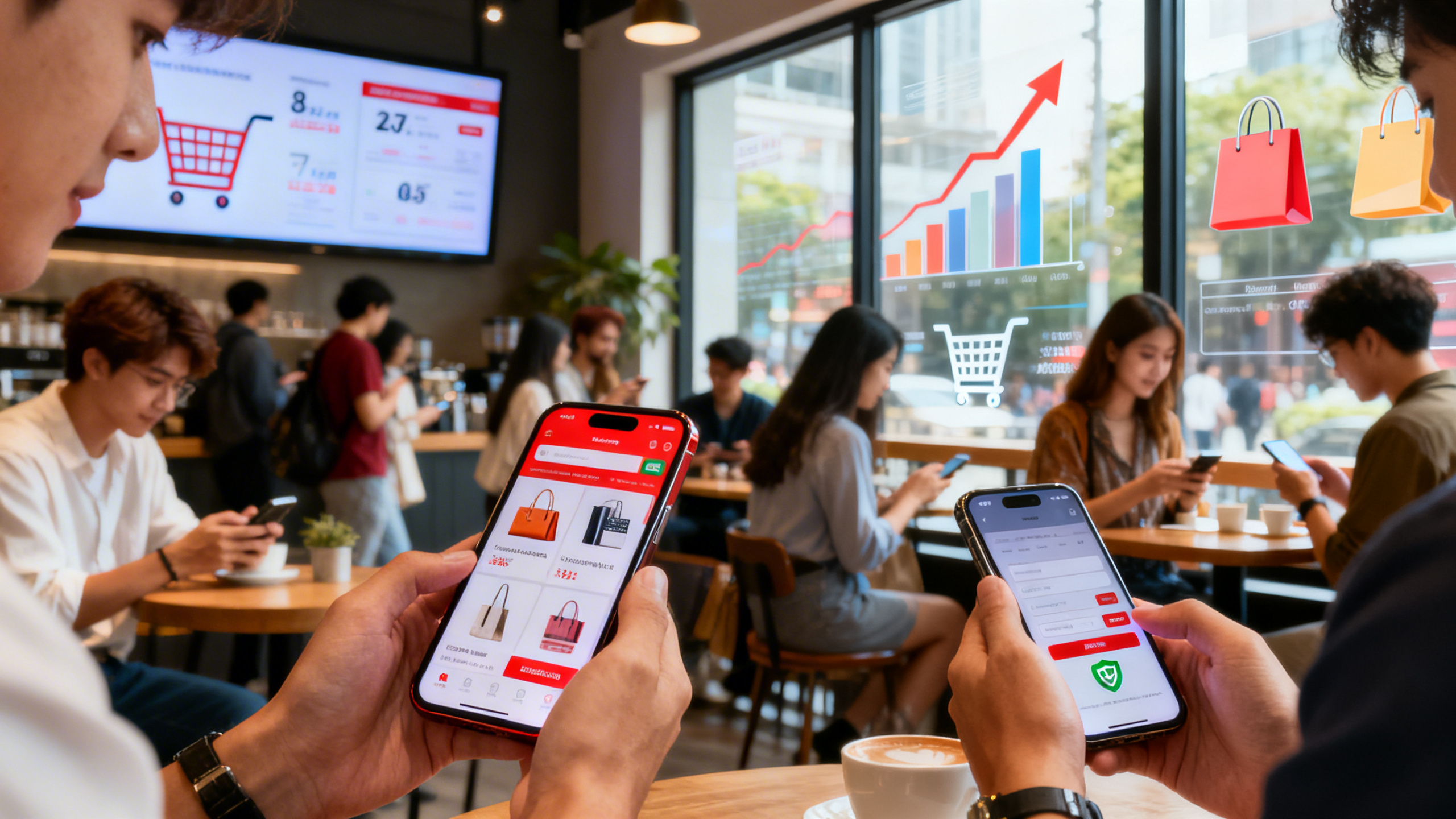
Abandoned carts have long plagued online retailers, often because of clunky checkout experiences. Lately, a wave of innovation has changed how payments are handled. Trusted sources in the fintech sector report that one-tap purchasing, digital wallets, and biometric authentication are becoming the new standard across leading platforms.
Digital wallets, once a convenience for the tech-savvy only, have become mainstream. A major apparel retailer recently introduced a “swipe to buy” feature powered by facial recognition, reducing checkout time to a few seconds. Early metrics suggest a notable reduction in cart abandonment.
Payment flexibility is another rising demand. “Buy now, pay later” services are being adopted by both niche and major merchants, giving shoppers the ability to split payments without traditional credit checks. These options are particularly popular among younger shoppers, who value flexibility and transparency.
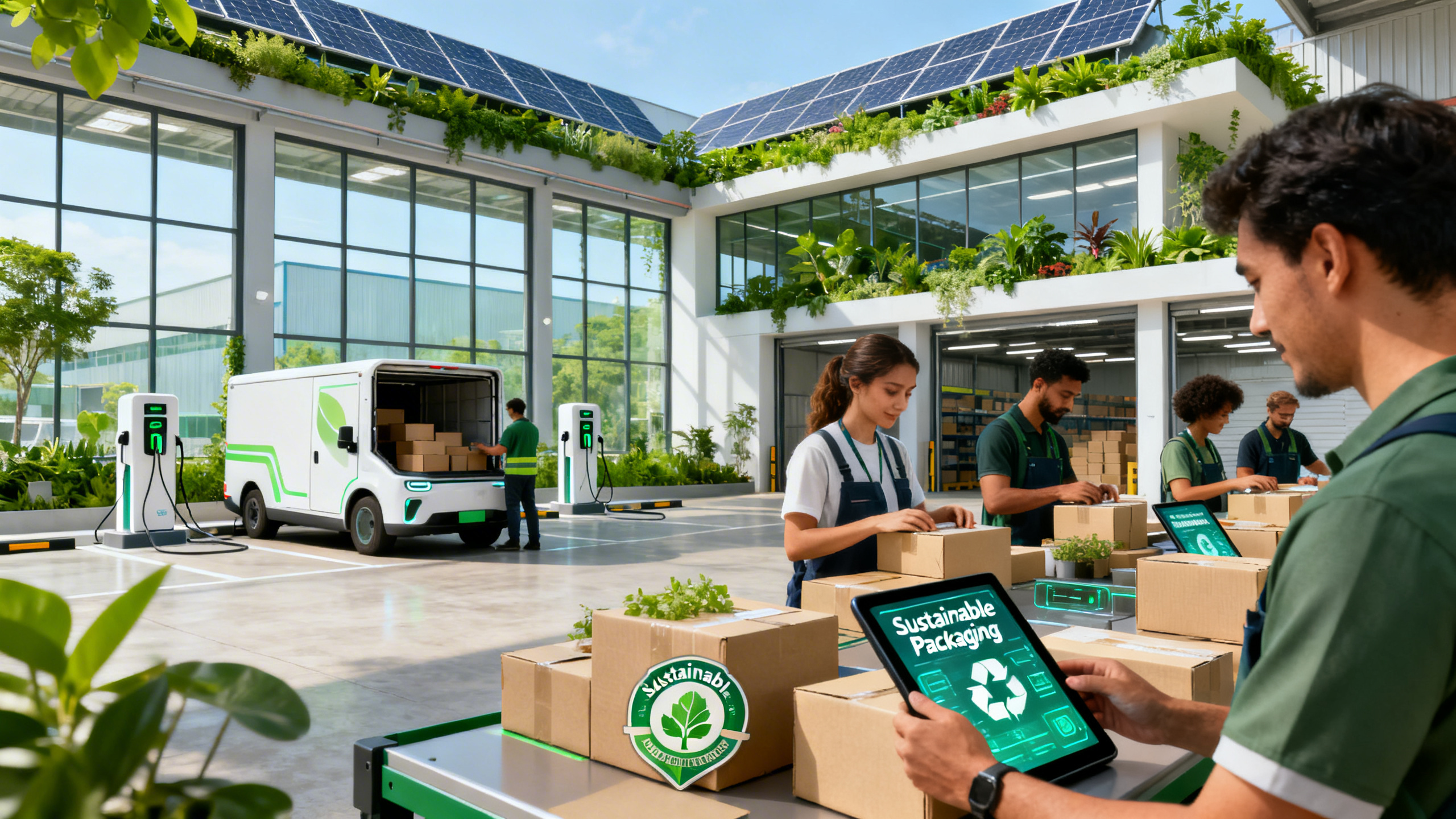
Sustainability Embedded in Every Step
Consumers have grown increasingly conscious of the environmental impact of their online purchases. Retailers are responding—sometimes proactively, sometimes in response to vocal consumer demand. According to a recent survey conducted by a prominent market research firm, more than half of online shoppers say they consider eco-friendly packaging and carbon-neutral shipping options as deciding factors when choosing where to shop.
Some e-commerce brands now allow customers to select “green delivery” at checkout, promising consolidated shipments and reduced emissions. Others go further, displaying sustainability ratings for entire product categories. One furniture retailer even offers a “re-commerce” option, letting buyers trade in old pieces for store credit, which are then refurbished and resold.
Supply chain transparency is also on the rise. It’s no longer enough for companies to claim ethical sourcing; they’re increasingly expected to show it, with detailed accounts of a product’s journey from raw materials to doorstep delivery.
Immersive Technology Steps Into the Storefront
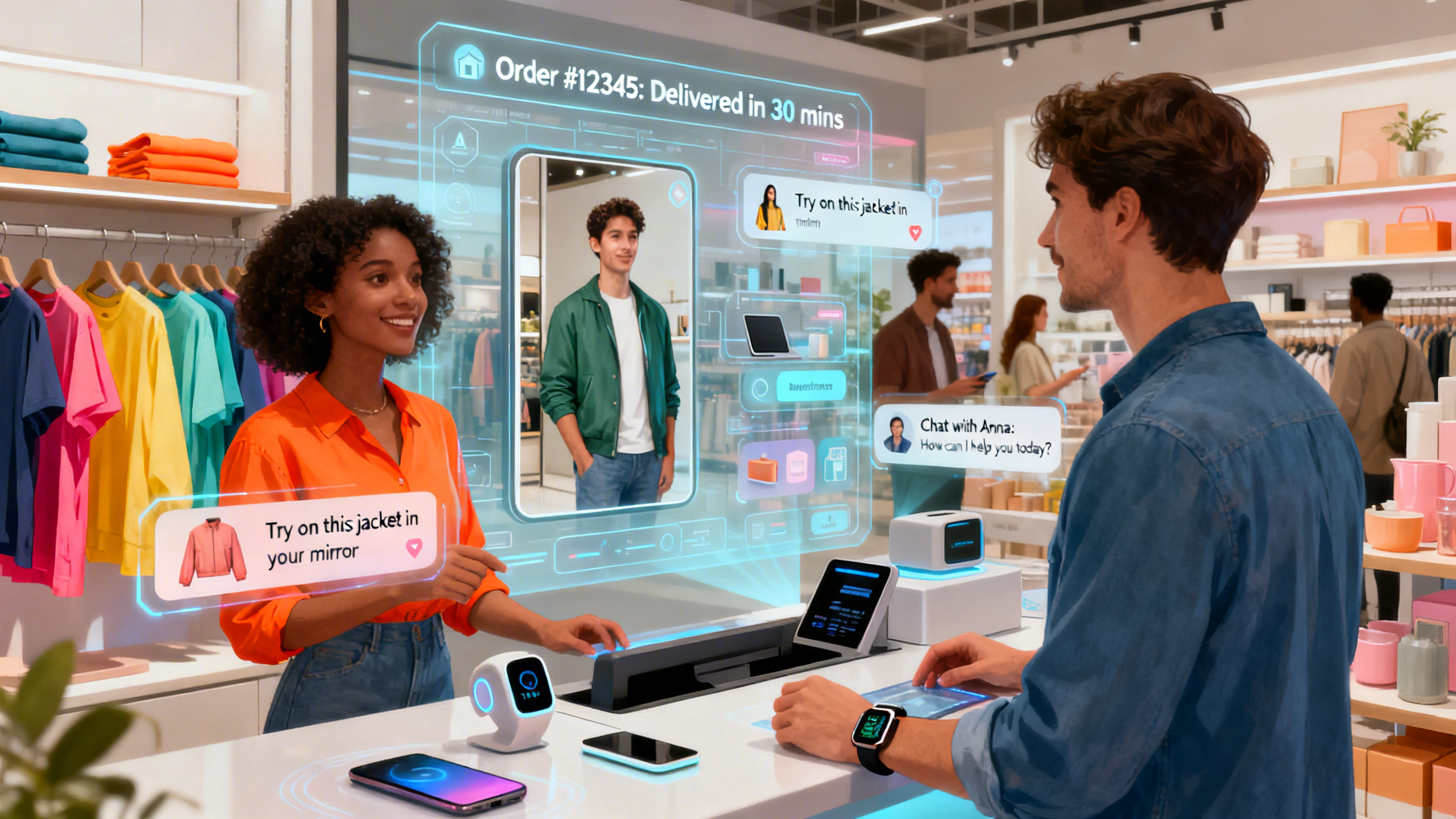
The integration of augmented reality (AR) and virtual reality (VR) is no longer a sci-fi fantasy for e-commerce. Furniture and home decor retailers have made AR visualization nearly standard. Shoppers can view a new sofa in their living room through their phone’s camera, adjusting color and angle before making a decision.
Some fashion brands are experimenting with virtual fitting rooms, where shoppers can try on clothes virtually, using avatars built from a quick scan of their own bodies. This technology, once reserved for high-end brands, is now trickling down to mid-tier retailers, making it more accessible.
Voice search, too, is becoming a common way to navigate digital stores. Customers can ask their smart speaker to reorder household staples or search for products, often receiving personalized recommendations based on their order history.
Hyperlocal Strategies and Faster Fulfillment
The demand for ever-faster shipping has pushed retailers to reimagine their logistics. Micro-fulfillment centers—small, strategically placed warehouses—are popping up in urban areas, enabling same-day or even one-hour deliveries for a growing list of products.
A popular grocery chain recently partnered with a delivery platform to enable real-time tracking of orders, letting customers follow their driver’s route and receive updates to their phone. This transparency has helped build trust and reduce the anxiety that sometimes accompanies online ordering.
At the same time, retailers are experimenting with store-to-door models, where brick-and-mortar shops serve as local hubs for online orders. Customers can choose between rapid delivery or in-store pickup, blending the benefits of digital and physical retail.
Trust, Privacy, and the New Customer Contract
As e-commerce platforms collect more data to personalize experiences, concerns over privacy have taken center stage. Recent consumer advocacy reports highlight growing demand for transparency in how personal information is used—and more control for the shopper.
Leading retailers are responding with clear opt-in policies, easy-to-use privacy dashboards, and the ability to delete or anonymize data at will. Some go further, offering incentives for customers who share additional data, such as faster checkouts or exclusive deals, always giving the user a clear choice.
Fraud prevention technology has also advanced. Machine learning models now monitor transactions in real time, detecting and blocking suspicious activity without slowing down legitimate purchases. This balancing act—security without friction—is becoming an industry standard.
Community-Driven Commerce and Loyalty
Brand loyalty is shifting away from points-based programs toward genuine community engagement. Some retailers have built online forums where customers can swap advice, share photos, and interact with company representatives. These platforms often double as feedback loops, guiding product development and customer support improvements.
A specialty outdoor gear brand recently hosted an online gear swap, where members could buy, sell, or trade used equipment. The event not only fostered community spirit but reinforced the company’s commitment to sustainability and circular commerce.
Brands are also recognizing the power of micro-influencers—individuals with smaller but highly engaged audiences—who can authentically endorse products and build trust among niche communities.
The Human Touch in a Digital World
Despite all the automation and AI, shoppers still crave genuine human interaction. Some luxury retailers are reviving the notion of personal shopping assistants, now offered virtually. Customers can book video appointments for personalized style advice, bringing the expertise of a boutique into their living rooms.
Small businesses are leveraging direct messaging and real-time chat to provide thoughtful, individual responses to queries—something that massive retailers can sometimes struggle to scale. For many consumers, knowing there’s a real person on the other end of the transaction makes all the difference.
What These Shifts Mean for Shoppers and Businesses
These new directions in e-commerce aren’t just bells and whistles. They speak to a deeper transformation in how shoppers and retailers relate to each other. For the customer, the digital shopping journey is becoming less transactional and more conversational, tailored, and transparent. For businesses, the pressure is on to deliver not just products, but experiences—ones that feel fluid, trustworthy, and genuinely responsive to individual needs.
Choosing where to shop online now means weighing not just price and selection, but also privacy, community, environmental impact, and the quality of interaction. As platforms continue to evolve, shoppers who embrace new features—whether it’s live shopping, AR try-ons, or flexible payment—are often first to enjoy the most seamless and enjoyable experiences.
For retailers, the challenge is to adopt these innovations thoughtfully, balancing technology with a human perspective. The brands that flourish will be those willing to rethink every touchpoint, from that first personalized recommendation to the final thank-you message after checkout.
Practical Moves Shaping Tomorrow’s Shopping
Here’s how shoppers and businesses are putting these trends into action:
- Shoppers are seeking out brands that offer flexible delivery and payment options, making purchases less stressful and more adaptable to changing needs.
- Retailers are investing in AI and data analytics to refine product recommendations, not just for upselling but to solve real problems or delight loyal customers.
- Both sides are prioritizing eco-conscious options, whether it’s choosing sustainable packaging at checkout or highlighting green credentials up front.
- Engagement is moving beyond transactions, as communities form around brands, and customers play an active role in shaping product lines and services.
The digital shopping experience is no longer just about browsing and buying. It’s about crafting journeys that feel intuitive, secure, and uniquely personal—where technology amplifies, rather than replaces, the human touch. As these shifts continue, both shoppers and businesses have the opportunity to shape a more connected, conscious, and creative future for e-commerce.