
















Greener Clicks: Crafting an Eco-Friendly E-Commerce Experience

" "
Building a successful online business isn’t just about algorithms, sleek product pages, or next-day shipping anymore. In a world where every package, swipe, and server pulse carries an environmental cost, sustainability is fast becoming the heart of e-commerce innovation. Consumers are watching—and voting with their wallets. Forward-thinking entrepreneurs aren’t just responding; they’re weaving eco-consciousness into the fiber of their brands.
What does it take to make an online store truly sustainable? The answers run deeper than recycled packaging or a splashy green logo. Recent moves from industry leaders, regulatory nudges, and the stories of smaller brands rising on the strength of their values are reshaping what it means to run an e-commerce business responsibly.
Rethinking Packaging from the Ground Up
Every online order starts its journey in a warehouse and ends on someone’s doorstep, often wrapped in more material than the product itself. For years, the mountain of cardboard, plastic, and bubble wrap has been a glaring symbol of e-commerce waste. Now, the tide is turning.
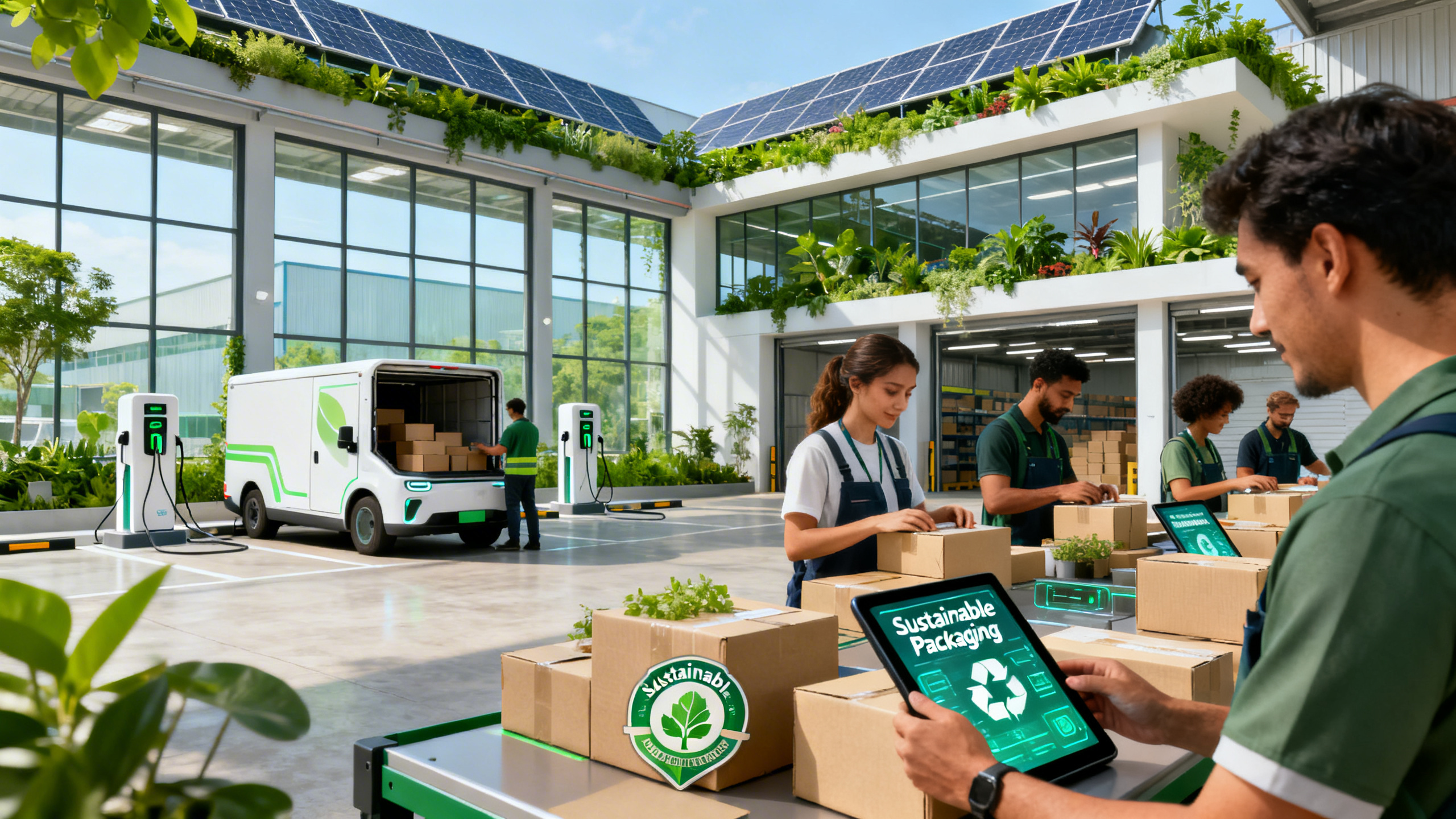
Major retailers have begun implementing smart packaging systems that minimize material use while maximizing protection. It’s not just about swapping out plastic for paper; the most innovative platforms are experimenting with compostable mailers, reusable shipping containers, and algorithms that select the smallest possible box for each order.
A small cosmetics startup recently shared how it cut costs and waste by switching to mushroom-based packaging. This biodegradable material, grown with agricultural byproducts, earned rave reviews from customers—many of whom posted unboxing videos praising the store’s commitment to the planet. Suddenly, packaging became a talking point, not just a necessity.
Retailers are also forging partnerships with recycling programs, encouraging customers to return or responsibly dispose of packaging. Some have introduced incentives, such as loyalty points for shipping materials sent back for reuse, transforming the mundane act of breaking down a box into a branded moment of eco-engagement.
Supply Chains Under the Microscope
For e-commerce businesses, the path from supplier to customer is often global, tangled, and carbon-heavy. Recent studies by sustainability consultancies highlight how supply chain emissions typically dwarf those from direct operations—meaning the real environmental impact is happening upstream.
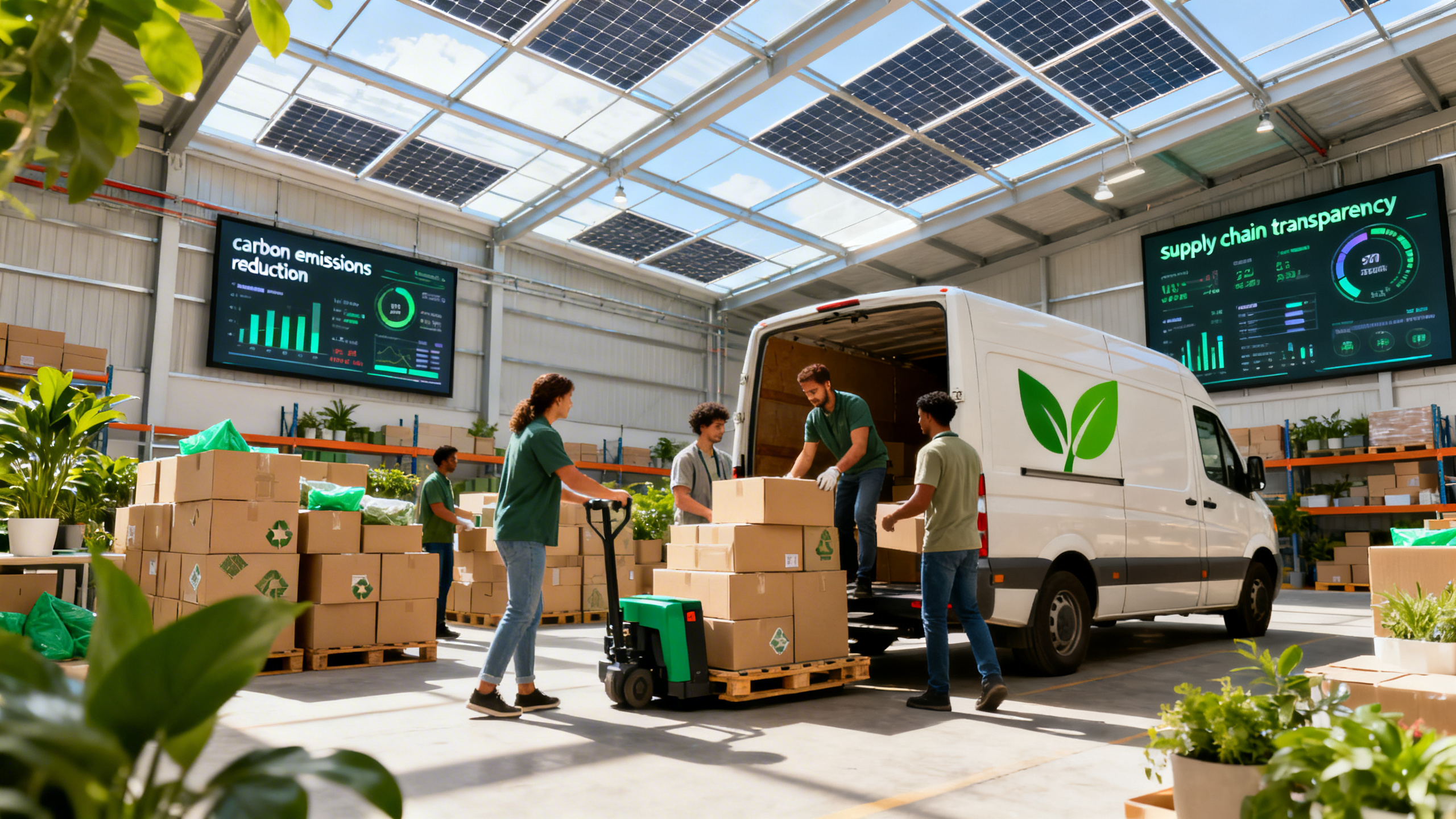
Brands with an eye toward lasting resilience are demanding more from their suppliers. Transparency platforms are enabling real-time tracking of materials and labor practices, giving businesses new leverage to insist on ethical sourcing and lower-carbon transit. Some online marketplaces now provide badges or certifications for products that meet strict sustainability standards, allowing shoppers to filter by environmental impact as easily as by price or rating.
One fashion label, once criticized for fast-shipping trendy pieces, now highlights its commitment to slow fashion. Its founders told a leading trade magazine how they overhauled their sourcing strategy: prioritizing local artisans, using sea freight over air whenever possible, and even publishing a yearly “impact report” that tracks emissions reductions. The shift wasn’t just good for the planet—it built fierce loyalty among a new generation of conscious consumers.
Smarter Delivery, Lower Footprint
Fast shipping has become an e-commerce arms race, but its environmental toll is steep. Express options often rely on half-empty vans or planes, multiplying emissions per package.
To counter this, some businesses are embracing batch shipping, local fulfillment centers, and carbon-neutral delivery options. These strategies not only cut delivery times in certain regions but also slash emissions by consolidating shipments and reducing travel distance. A prominent electronics retailer recently rolled out an option at checkout for customers to “bundle” deliveries, offering discounts for those willing to wait a day or two longer in exchange for fewer trips to their door.
Gig economy couriers in major cities are experimenting with e-bike fleets and electric vans, sometimes sponsored by the retailers themselves. Shoppers in urban centers are starting to see branded electric vehicles zipping quietly through their neighborhoods, a visual signal that the company’s green promises aren’t just marketing hype.
Product Life Cycles Get Center Stage
E-commerce giants are increasingly spotlighting the entire lifespan of a product, not just the initial sale. Resale platforms, repair services, and take-back programs are becoming common features on major sites and independent boutiques alike.
A well-known outdoor gear shop offers a “return to renew” program: customers can send back used items for repair, resale, or recycling, earning store credit in the process. The result is a thriving secondary market that appeals both to bargain hunters and sustainability advocates. This approach turns one-time buyers into lifelong fans, all while reducing landfill waste and extending the life of quality goods.
Similarly, electronics stores are partnering with certified refurbishers, making it easy for customers to buy pre-owned devices with warranties. This not only diverts e-waste from landfills but also makes technology more accessible—a win-win that’s rapidly gaining ground.
Empowering Informed Choices
One of the most powerful tools in the sustainable e-commerce toolkit is transparency. Shoppers want to know more about where their products come from, how they’re made, and the impact of getting them delivered.
Brands are responding by investing in clear, accessible product information, carbon calculators at checkout, and real-time updates on environmental initiatives. Online fashion platforms, for example, now offer detailed breakdowns of fabric sourcing, water usage, and labor practices with every item. Some even allow customers to trace the journey of a garment from raw material to doorstep with interactive maps.
This openness doesn’t just satisfy curiosity; it builds trust. A family-run home décor brand recently reported a sharp uptick in customer engagement after launching a “materials story” feature for each product. Buyers could click through to see artisan interviews, production videos, and sustainability certifications—turning a routine purchase into an educational experience.
Harnessing Technology for Good
Technology itself is a double-edged sword in the sustainability equation. While servers and data centers have their own environmental footprints, digital innovations are enabling smarter, greener business practices.
Machine learning models are optimizing inventory to reduce overstock and markdown waste. Smart logistics systems are finding the most efficient delivery routes, while web developers are building lighter, faster-loading websites that use less energy. Cloud providers are increasingly running on renewable energy, making it possible for even small online stores to reduce their digital carbon footprint.
A mid-sized fashion platform shared how a recent investment in AI-powered demand forecasting led to a sharp drop in unsold inventory—and the surplus that did remain was seamlessly redirected to community non-profit partners, minimizing both waste and logistical headaches.
Community-Driven Momentum
No online store operates in a vacuum. The past week has seen a groundswell of community-led initiatives, with groups of indie sellers banding together to promote local, low-impact shopping events and shared delivery networks. These collaborations foster a sense of shared purpose, allowing smaller players to compete with global giants while staying true to their eco-friendly missions.
One such collective in the Pacific Northwest recently pooled resources to create a regional warehouse powered by rooftop solar panels. This not only cut costs but also enabled members to offer faster, greener shipping within their home markets. Their story quickly spread through local news and social media, attracting both customers and other small businesses eager to join the movement.
Practical Moves for the Green-Minded Entrepreneur
For those looking to build or retrofit an e-commerce business around sustainability, several approaches are showing strong results:
- Audit the supply chain: Map out every step from material sourcing to delivery. Seek suppliers with robust environmental credentials and prioritize local partnerships where possible.
- Invest in circularity: Add resale, rental, repair, and recycling options to extend product life and reduce waste.
- Minimize packaging: Shift to compostable, recycled, or reusable materials and encourage returns through creative loyalty programs.
- Rethink delivery: Offer incentives for slower, bundled, or carbon-neutral shipping. Explore local fulfillment centers and greener last-mile options.
- Engage and educate: Use product pages, blogs, or social channels to share transparency stories and sustainability milestones.
- Leverage technology: Implement smart inventory, logistics, and website optimization tools to cut energy use and reduce overstock.
The Rewards of Going Green
Sustainable e-commerce isn’t just about ethics; it’s fast becoming a competitive advantage. Customers who see authentic commitment to the environment become brand advocates, spreading the word far beyond a single transaction. Operational savings from reduced waste and smarter inventory management can be substantial. And as regulators worldwide tighten environmental standards for retail and e-commerce, early adopters will be best positioned to thrive.
A founder of a growing online kitchenware shop recently reflected on their journey toward sustainability, describing how the shift built deeper relationships with suppliers, inspired creative new products, and cultivated a loyal, values-driven customer base. For them, sustainability wasn’t a hurdle—it was the spark that set their business apart.
The shift toward eco-friendly online shopping is accelerating, fueled by consumer demand, regulatory pressure, and the ingenuity of brands willing to challenge the old way of doing things. For e-commerce entrepreneurs, the path to greener profits runs not just through the warehouse or delivery truck, but through every decision made along the way.
In this new era, the most successful online stores will be those that deliver not just products, but a promise—to their customers, their communities, and the planet.